
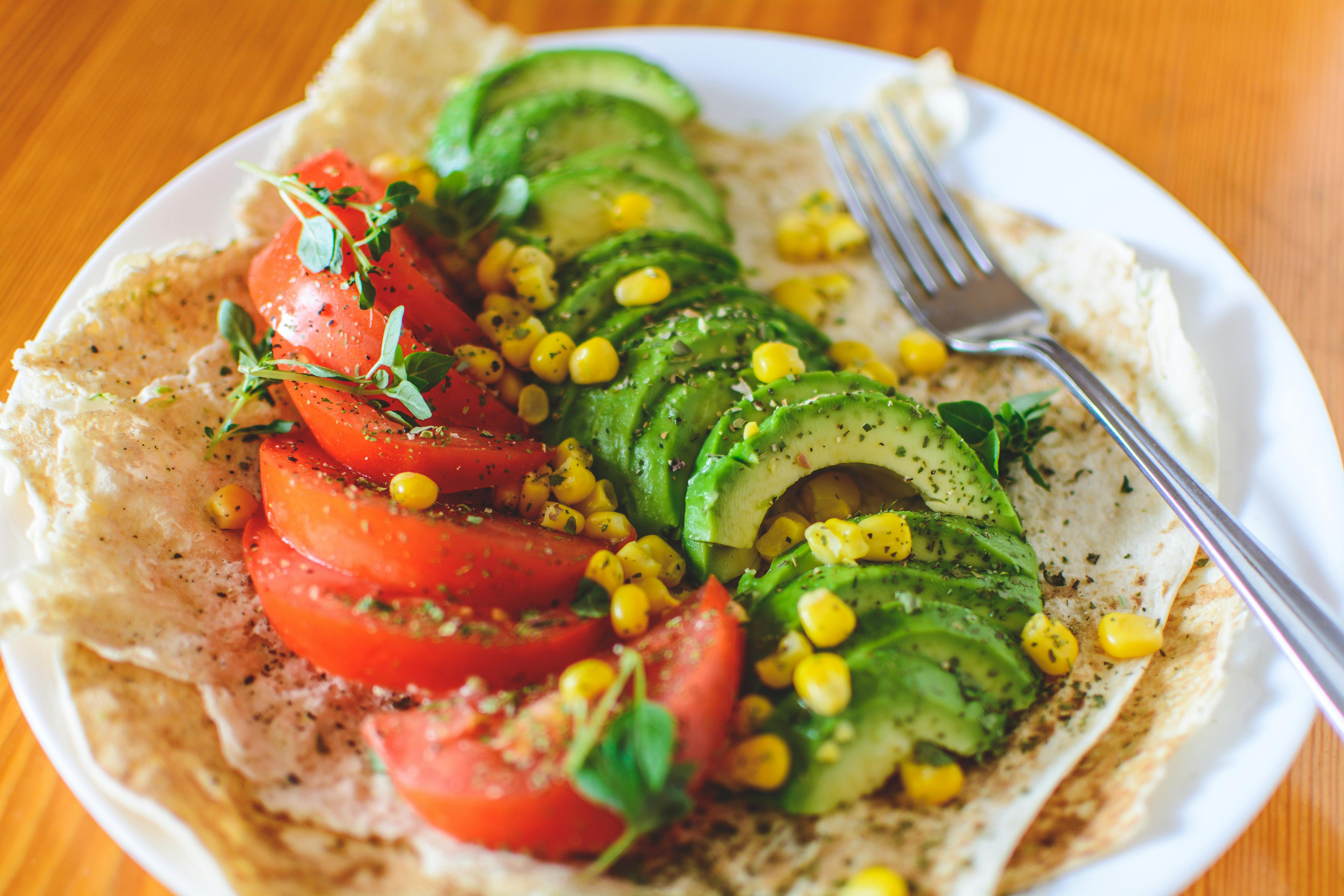
Dive into the booming world of vegetarian meal kits and plant-based food delivery services for 2026. Discover how these convenient, gourmet options are revolutionizing healthy eating, saving you time, and helping you achieve your dietary goals. Compare the top providers and find your perfect plant-powered solution today, optimized for your lifestyle and budget.
Introduction to the Topic
The year 2026 marks a pivotal moment for plant-based living. What was once a niche market dominated by basic veggie burgers and tofu scrambles has blossomed into a vibrant, sophisticated culinary landscape. No longer confined to specialty stores or time-consuming kitchen experiments, gourmet vegetarian and vegan meals are now delivered directly to your doorstep, pre-portioned and ready to cook or heat. Welcome to the era of the plant-based meal kit and food delivery service – a revolution in convenience, health, and sustainability that is reshaping how we eat.
For the modern consumer, juggling demanding careers, family life, and personal wellness goals, the idea of preparing nutritious, delicious, and diverse plant-based meals can feel daunting. This is where the burgeoning industry of vegetarian meal kits steps in. These services eliminate the guesswork, the endless grocery lists, and the dreaded meal prep fatigue, offering a seamless path to a healthier, more environmentally friendly diet. In 2026, these aren't just about throwing ingredients together; they're about curated culinary experiences, leveraging cutting-edge food science and sustainable sourcing to bring the restaurant experience home.
Whether you're a long-time vegetarian, a curious flexitarian, or someone looking to reduce their environmental footprint without sacrificing flavor, the options available today are more diverse and tailored than ever before. Join us as we explore the best of what 2026 has to offer, guiding you through the top plant-based meal delivery services designed to elevate your kitchen and nourish your body.
Backgrounds & Facts
The global shift towards plant-based diets is not a fleeting trend; it’s a fundamental change driven by health consciousness, ethical concerns, and environmental imperatives. By 2026, market analysts project the plant-based food industry to exceed $100 billion, with meal kits and ready-to-eat delivery services forming a significant and rapidly growing segment. The convenience food market, specifically, has seen a massive influx of plant-based options, as consumers demand both ease and ethical sourcing.
From a health perspective, scientific consensus continues to reinforce the benefits of a plant-rich diet: reduced risk of heart disease, type 2 diabetes, certain cancers, and improved gut health. These meal kits make it easier than ever to meet daily nutritional requirements, often incorporating superfoods, ancient grains, and a rainbow of vegetables that might otherwise be overlooked. Many services now offer customizable plans that cater to specific dietary needs such as gluten-free, soy-free, or high-protein vegan options, making healthy eating accessible to a broader audience.
Environmentally, the impact is profound. Plant-based diets typically require significantly less land, water, and energy than animal agriculture, contributing to lower greenhouse gas emissions. The meal kit model itself often reduces food waste by providing pre-portioned ingredients, and many companies in 2026 are prioritizing sustainable packaging, utilizing compostable, recyclable, or reusable materials. This commitment to sustainability resonates deeply with the modern consumer, who increasingly seeks brands aligned with their values.
Technological advancements also play a crucial role. Breakthroughs in precision fermentation are leading to more sophisticated, delicious, and nutritionally complete plant-based proteins, moving beyond traditional soy and pea. AI-driven personalization allows services to learn consumer preferences, suggest new recipes, and optimize delivery routes for efficiency. The integration of smart kitchen devices with meal kit instructions is also becoming more common, streamlining the cooking process further.
Expert Opinion / Analysis
“The evolution of plant-based meal kits in 2026 is nothing short of revolutionary,” states Dr. Anya Sharma, a leading food technology ethicist and nutritionist at the Future Food Institute. “What we’re seeing is a convergence of culinary innovation, advanced nutritional science, and logistical mastery. These services are no longer just about convenience; they’re about empowering consumers to make informed, healthy, and sustainable choices without compromise.”
Dr. Sharma emphasizes the critical role these kits play in dietary education. “Many people want to eat more plants but lack the knowledge or confidence to cook diverse vegetarian meals. These kits act as culinary mentors, introducing new ingredients, cooking techniques, and flavor profiles that expand one’s palate and culinary repertoire. They democratize gourmet plant-based cooking.”
The personalization aspect has also reached new heights. “In 2026, the best services utilize AI to analyze your past orders, dietary restrictions, fitness goals, and even your microbiome data (if you choose to share it) to recommend truly bespoke meal plans,” explains Dr. Sharma. “This level of customization ensures that whether you’re a high-performance athlete needing specific macro-nutrient ratios or a family with picky eaters, there’s a plant-powered solution for you. The focus has shifted from mere ingredient delivery to holistic wellness support.”
Furthermore, the quality of ingredients has dramatically improved. “We’re seeing a rise in partnerships with regenerative farms, hyper-local sourcing initiatives, and the incorporation of novel, nutrient-dense plant proteins like fungi-based mycelium or algae-derived ingredients,” she adds. “This commitment to quality, combined with chef-driven recipe development, means that 'vegetarian' no longer implies 'boring' or 'restrictive.' It now signifies 'innovative,' 'delicious,' and 'world-class.'”
💰 Best Options in Comparison (VERY IMPORTANT)
Navigating the crowded market of plant-based meal kits can be challenging. To help you make an informed decision, we’ve meticulously reviewed the top contenders for 2026, focusing on quality, variety, sustainability, and value. Here are our top picks, designed to cater to different needs and preferences:
-
GreenPlate Gourmet: The Artisan's Choice
Overview: For those who view cooking as an art and prioritize organic, ethically sourced ingredients. GreenPlate Gourmet offers exquisite, chef-curated recipes inspired by global fine dining. Expect unique vegetables, exotic spices, and innovative plant-based proteins. Ideal for foodies and special occasions, or simply elevating your everyday meals.
Key Features: Michelin-star chef collaborations, 100% certified organic ingredients, advanced compostable packaging, AI-powered wine pairing suggestions, weekly rotating menu with 20+ unique options.
Why We Love It: Unparalleled flavor complexity and ingredient quality. It’s an experience, not just a meal.
-
VeggieVault Express: Family-Friendly & Flexible
Overview: Perfect for busy families or individuals seeking delicious, easy-to-prepare plant-based meals without breaking the bank. VeggieVault Express focuses on comfort food classics with a healthy twist, alongside quick-prep options. Emphasizes regional sourcing and offers generous portion sizes.
Key Features: Large portion sizes, 15-30 minute prep times, kid-friendly options, flexible subscription plans (pause, skip, or change meal count easily), loyalty rewards program, bulk ingredient add-ons.
Why We Love It: Practical, affordable, and incredibly convenient for everyday eating. Great for introducing plant-based meals to the whole family.
-
Rooted & Ripped: Peak Performance Plant-Based
Overview: Designed for athletes, fitness enthusiasts, and anyone serious about their macro-nutrients and performance. Rooted & Ripped provides high-protein, nutritionally balanced plant-based meals engineered for muscle growth, recovery, and sustained energy. Meals are calorie and macro-counted.
Key Features: High-protein (25g+ per meal), calorie-controlled options, sports nutritionist consultation access, advanced plant-based protein sources (e.g., fungi-based, algae-derived), performance-enhancing ingredient focus (adaptogens, specific amino acids), integration with fitness trackers.
Why We Love It: Takes the guesswork out of fueling your body optimally on a plant-based diet for peak physical condition.
Comparative Table of Top Plant-Based Meal Delivery Services (2026)
| Service Name | Target Audience | Key Features | Price Range (per serving) | Sustainability Score | Customization |
|---|---|---|---|---|---|
| GreenPlate Gourmet | Foodies, Gourmands, Special Occasions | Organic, Chef-Curated, Global Cuisine, Wine Pairings | $14 - $20 | 5/5 (Compostable, Ethical Sourcing) | High (AI-driven preferences, dietary filters) |
| VeggieVault Express | Busy Families, Budget-Conscious, Everyday Meals | Quick Prep, Large Portions, Kid-Friendly, Loyalty Program | $8 - $12 | 4/5 (Regional Sourcing, Recyclable Packaging) | Medium (Meal count, basic dietary filters) |
| Rooted & Ripped | Athletes, Fitness Enthusiasts, Performance-Oriented | High-Protein, Macro-Counted, Sports Nutritionist Access, Fitness Tracker Integration | $13 - $18 | 4/5 (Sustainable Protein Sources, Minimized Waste) | High (Detailed macro adjustments, ingredient swaps) |
Outlook & Trends
The plant-based meal kit landscape is set for even more exciting developments beyond 2026. We anticipate a deeper integration of personalized nutrition, with services leveraging wearable tech and even at-home diagnostic kits to fine-tune meal recommendations based on individual biometric data, gut microbiome analysis, and genetic predispositions. Imagine a meal kit that automatically adjusts your protein and carbohydrate intake based on your activity levels detected by your smartwatch!
Sustainability will remain a core driver, evolving towards truly circular economy models. Expect to see widespread adoption of reusable packaging systems, where containers are returned, sanitized, and refilled. Hyper-local sourcing will become the norm, with meal kit companies partnering directly with urban farms and vertical agriculture operations to provide ultra-fresh ingredients with minimal carbon footprint.
Culinary innovation will continue its upward trajectory. Precision fermentation will yield an even wider array of plant-based cheeses, seafood, and specialty meats with identical taste and texture profiles to their animal counterparts. We'll also see more adventurous global cuisines being offered, pushing the boundaries of what plant-based cooking can be. Furthermore, the line between meal kits and ready-to-eat meals will blur, with more services offering a hybrid model of quick-prep kits and gourmet heat-and-eat options for ultimate flexibility.
Finally, expect increased accessibility. As technology advances and economies of scale improve, plant-based meal kits will become even more affordable, reaching a broader demographic and further solidifying their place as a staple in modern healthy living.
Conclusion
The plant-based meal kit and food delivery services of 2026 are more than just a convenient way to eat; they represent a paradigm shift in how we approach food. They offer a powerful solution to the modern dilemma of balancing health, time, and environmental responsibility. From gourmet culinary adventures to family-friendly staples and performance-driven nutrition, there's a plant-based meal solution perfectly tailored to your lifestyle and values.
By choosing one of these innovative services, you're not just signing up for delicious meals; you're investing in your health, supporting sustainable practices, and embracing the future of food. The days of tedious meal prep and limited plant-based options are firmly in the past. The future of plant-based eating is here, and it's delicious, convenient, and waiting for you. Which culinary journey will you embark on?