
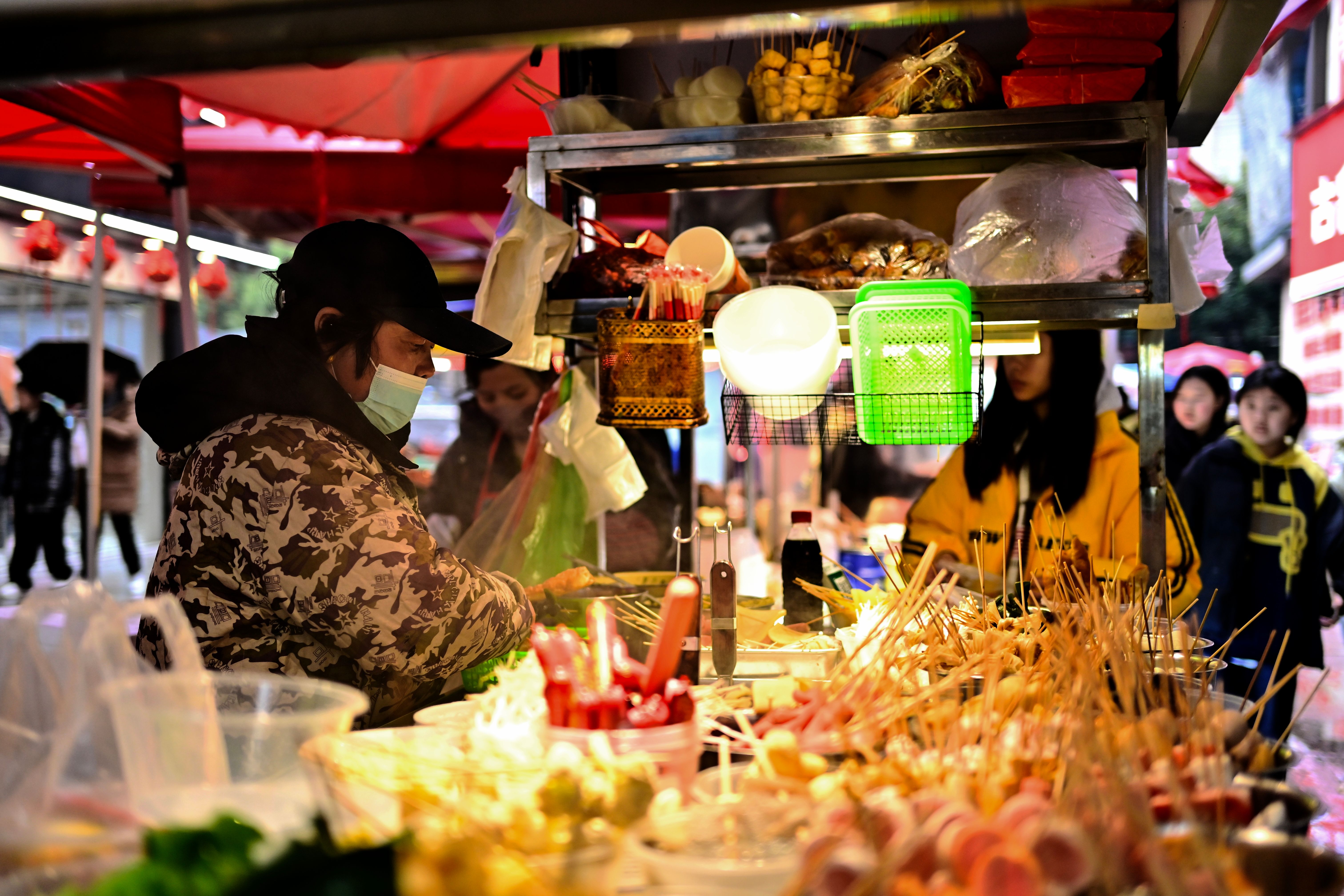
Discover the explosive growth of hyper-local and sustainable street food experiences in 2026. From booking exclusive culinary tours to investing in cutting-edge mobile food businesses, learn how conscious consumers and savvy entrepreneurs are transforming the global street food scene. Explore top options, compare investment opportunities, and find the best services for your next gourmet adventure or entrepreneurial venture.
Introduction to the Topic
Welcome to 2026, where the aroma of global street food isn't just wafting from a lone food truck; it's a meticulously curated, hyper-local, and often sustainable sensory explosion. The street food landscape has evolved far beyond its humble beginnings, transforming into a multi-billion dollar industry driven by discerning palates, ethical consumerism, and technological innovation. Forget what you thought you knew about grabbing a quick bite; today's street food is an experience, a journey, and for many, a lucrative investment opportunity. This isn't just about convenience anymore; it's about authenticity, community, and a commitment to flavor that respects both tradition and the planet. Join us as we explore the dynamic trends shaping this culinary revolution and uncover the best ways to engage with, and profit from, the street food phenomenon of 2026.
Backgrounds & Facts
The evolution of street food is a fascinating tale, mirroring societal shifts and technological advancements. Historically, street food served as sustenance for the working class, a quick and affordable meal. Fast forward to 2026, and its status has been elevated to a culinary art form, often blurring the lines with fine dining. This paradigm shift gained significant momentum post-pandemic, as outdoor and flexible dining options became highly sought-after. Consumers, tired of traditional restaurant settings, embraced the vibrant, dynamic, and often more intimate experience offered by street vendors.
A pivotal driver in this evolution is the rise of conscious consumerism. Today's patrons aren't just looking for taste; they demand transparency. They want to know where their ingredients come from, whether vendors employ sustainable practices, and if ethical sourcing is a priority. This has led to a surge in demand for hyper-local ingredients, often sourced from urban farms or nearby small-scale producers, reducing carbon footprints and supporting local economies. Biodegradable packaging, zero-waste initiatives, and plant-based menus are no longer niche; they are expected standards for many successful street food operations.
Technology has been an undeniable catalyst. Mobile apps now allow users to track their favorite vendors in real-time, pre-order meals, and make cashless payments, streamlining the entire experience. Social media platforms are indispensable marketing tools, transforming obscure carts into viral sensations overnight. QR codes link to detailed menus, allergen information, and even supplier stories, fostering a deeper connection between vendor and consumer. The global street food market, including mobile food services and related experiences, is projected to exceed $150 billion by 2028, with a significant portion of this growth attributed to innovative, sustainable, and experience-driven models. This robust market growth underscores the immense potential for both consumers seeking unique culinary adventures and entrepreneurs looking to carve out a niche.
Expert Opinion / Analysis
“The street food scene in 2026 is less about a quick bite and more about a curated journey,” explains Dr. Anya Sharma, a leading food economist and author of 'The Conscious Plate.' “We're seeing a fascinating convergence of high-quality ingredients, culinary innovation, and a deep-seated desire for authentic, community-driven experiences. The overheads are lower for vendors compared to traditional restaurants, allowing for greater experimentation and often better margins, especially for those who master supply chain efficiency and digital marketing.”
Dr. Sharma further elaborates, “The 'hyper-local' aspect isn't just a buzzword; it's a strategic advantage. Vendors who partner directly with local farmers or even cultivate their own rooftop gardens are building incredible brand loyalty. This commitment to local not only resonates with environmentally conscious consumers but also ensures unparalleled freshness and supports the local economy. Furthermore, the 'experience economy' has fully embraced street food. People aren't just buying food; they're buying into a story, a culture, a moment. This is why street food tours and pop-up events are exploding – they offer an immersive, interactive dining experience that a conventional restaurant often struggles to replicate.”
However, the rapid growth also presents challenges. Regulations for mobile food businesses are constantly evolving, and maintaining authenticity while scaling operations can be tricky. “The competition is fierce,” Dr. Sharma notes. “Success hinges on innovation, consistency, and a clear brand identity. Vendors need to continuously adapt, leverage technology for efficiency, and crucially, never compromise on the quality or the story behind their food.” The analysis confirms that the street food sector is a vibrant ecosystem where passion, innovation, and strategic thinking lead to significant rewards.
💰 Best Options in Comparison (VERY IMPORTANT)
Whether you're a culinary adventurer or an aspiring entrepreneur, the 2026 street food market offers unparalleled opportunities. Here are some of the best ways to engage, invest, and profit:
-
1. Immersive Street Food Culinary Tours & Experiences
For the traveler or food enthusiast, booking a guided street food tour is the ultimate way to experience hyper-local cuisine. These meticulously planned tours often focus on specific neighborhoods, culinary themes (e.g., 'Vegan Global Fusion,' 'Historic District Hidden Gems'), and sustainable practices. Platforms like 'TasteTrekker' and 'LocalBites Expeditions' offer curated itineraries with expert guides, ensuring you discover hidden culinary treasures and learn about the local food culture. Many tours also include interactive elements like mini-cooking classes or meet-the-chef sessions. This option is perfect for those with purchasing intent for unique travel and dining experiences.
Keywords: Book street food tour 2026, best local culinary experiences, sustainable food travel, gourmet food walks, authentic street food tours.
-
2. DIY Street Food Business Starter Kits & Franchise Opportunities
Aspiring entrepreneurs can tap into the booming market with specialized starter kits or micro-franchise opportunities. Companies like 'MobileMunch Solutions' offer comprehensive packages that include eco-friendly food cart designs, essential cooking equipment, initial menu consultation, and even sourcing contacts for sustainable packaging suppliers. For those seeking a more structured approach, emerging micro-franchises in niche street food categories (e.g., 'Gourmet Grain Bowls,' 'Artisan Arepas') provide proven business models, branding, and ongoing support. This is ideal for users with purchasing intent for business investments and equipment.
Keywords: Start a street food business 2026, best food cart equipment, eco-friendly food packaging suppliers, street food franchise cost, mobile kitchen solutions, how to open a food truck.
-
3. Premium Street Food Catering & Pop-Up Services
For events, corporate functions, or private parties, hiring a gourmet street food caterer or pop-up service offers a memorable and trendy alternative to traditional catering. Services like 'FlavorFête Events' and 'UrbanEats Pop-ups' provide customizable menus, on-site cooking, and a dynamic atmosphere that delights guests. Many now specialize in specific dietary needs (e.g., gluten-free, plant-based) and prioritize local, seasonal ingredients, making them a sustainable choice for any gathering. This option targets users with purchasing intent for event services and unique catering solutions.
Keywords: Hire gourmet street food caterer, best pop-up kitchen rental, sustainable event catering, food truck for private party, corporate street food events.
Here's a comparison of these exciting opportunities:
| Option | Investment Level | Target User | Experience Gained/Required | Revenue/Enjoyment Potential | Sustainability Focus |
|---|---|---|---|---|---|
| Street Food Tours | Low to Moderate (per person) | Travelers, Foodies, Tourists | Immersive culinary experience; no prior expertise needed | High enjoyment, unique memories | Often highlights local & eco-friendly vendors |
| Business Starter Kits/Franchises | Moderate to High | Entrepreneurs, aspiring chefs | Business acumen, culinary skills beneficial | High revenue potential, business ownership | Can be built with strong sustainability principles |
| Catering & Pop-Up Services | Moderate to High (per event) | Event Planners, Corporations, Private Hosts | Seamless event management; no culinary skill needed from host | High guest satisfaction, memorable events | Many prioritize local, seasonal, and low-waste options |
Outlook & Trends
The future of street food in 2026 and beyond promises even more exciting innovations. We can anticipate further integration of artificial intelligence for everything from optimizing supply chains and predicting demand to hyper-personalizing menu recommendations via customer apps. Plant-based and lab-grown meat alternatives will continue their meteoric rise, offering sustainable and ethical choices that appeal to a broader demographic. Imagine a street vendor offering a perfectly seared, lab-cultivated wagyu bao or a hyper-realistic plant-based 'fish' taco, both sourced with minimal environmental impact.
The experiential aspect will deepen, with street food becoming an integral part of immersive festivals, art installations, and even virtual reality dining experiences. The lines between 'fine dining' and 'street food' will continue to blur, as Michelin-starred chefs launch pop-up carts and gourmet food festivals become mainstream. Ghost kitchens, optimized for efficient street food delivery, will expand, allowing popular vendors to serve wider geographical areas without the need for a physical street presence. Furthermore, expect to see more 'zero-waste' street food models, where every ingredient is utilized, and compostable or reusable packaging is the norm. The industry is poised for continued growth, driven by innovation, sustainability, and an insatiable global appetite for unique culinary adventures.
Conclusion
The street food scene of 2026 is a testament to culinary ingenuity, entrepreneurial spirit, and evolving consumer values. It's a vibrant ecosystem where tradition meets innovation, and sustainability is no longer a luxury but a necessity. From booking an unforgettable gourmet tour that immerses you in local flavors to investing in a cutting-edge mobile food business, or elevating your next event with a premium pop-up service, the opportunities are endless. This isn't just about what's on your plate; it's about the story behind it, the community it supports, and the future it shapes. So, whether you're a passionate foodie, a savvy investor, or an aspiring entrepreneur, now is the time to explore, engage, and savor the incredible world of hyper-local, sustainable street food. Your next delicious adventure or lucrative venture awaits!