
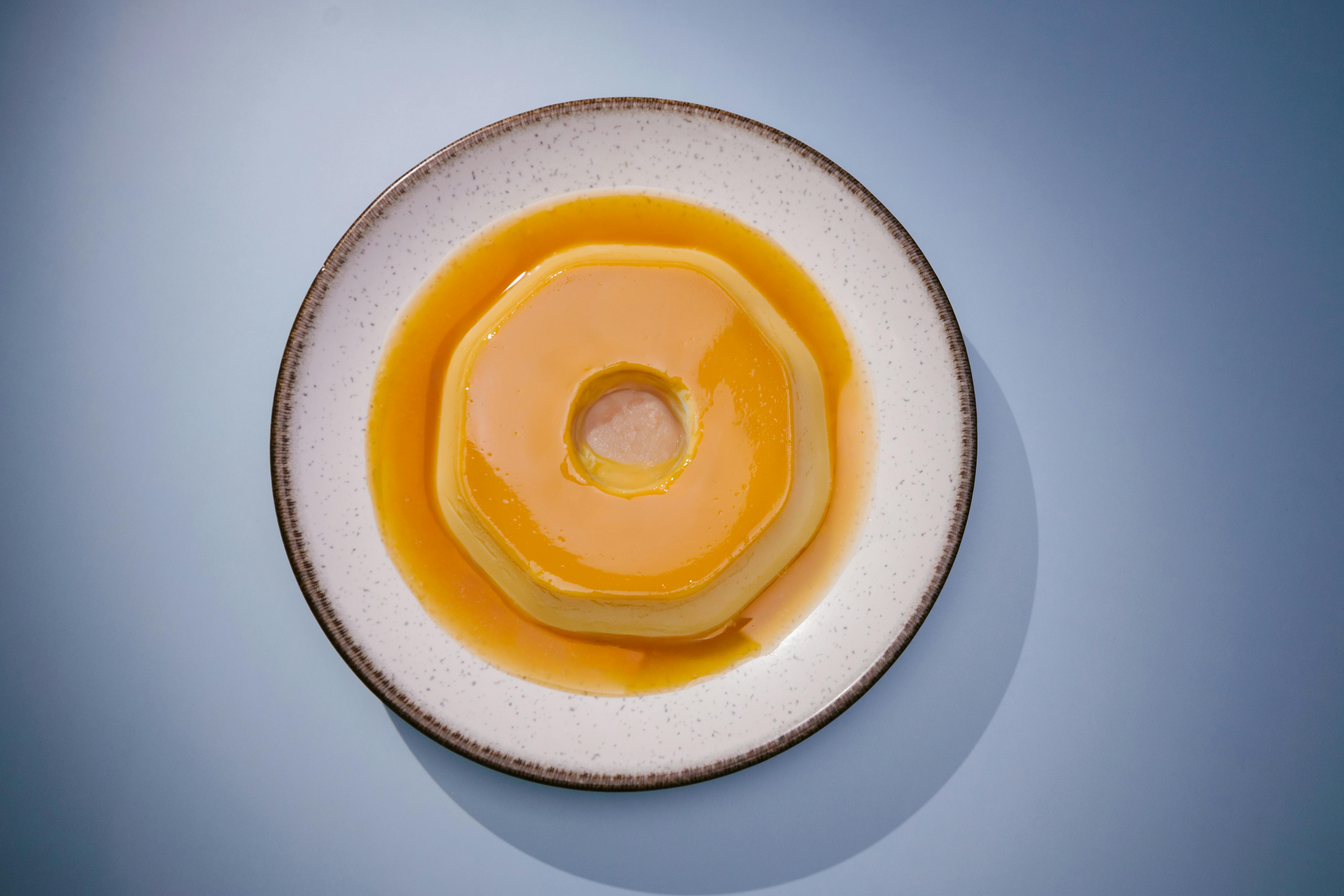
Welcome to 2026! The quest for healthier living has transformed our kitchens, especially when it comes to desserts. Forget bland, artificial sugar substitutes of the past. Today, we're diving deep into the world of groundbreaking, plant-based, and rare sugar alternatives like Allulose, Monk Fruit, and Erythritol that promise delicious, guilt-free indulgence. Discover the best choices for your keto, low-carb, or diabetic-friendly baking, optimize your health, and truly enjoy your sweets without compromise. Get ready to upgrade your pantry and master the art of sweetening with our expert comparison and top product recommendations!
Introduction to the Topic
The year is 2026, and the global palate has undergone a seismic shift. Decades of research have firmly established the detrimental effects of excessive sugar consumption, from escalating rates of metabolic disorders like type 2 diabetes and obesity to chronic inflammation and even cognitive decline. The days of blindly sweetening our lives with refined sucrose are rapidly fading into history. Consumers are smarter, more health-conscious, and demand better. They want sweetness without the health consequences, flavor without the guilt, and indulgence without the regret.
This escalating demand has ignited a “Sweet Revolution” in the food industry, particularly in the realm of desserts and baking. We’re witnessing an unprecedented surge in innovative sugar alternatives – not just the chemical concoctions of yesteryear, but sophisticated, often plant-based, and naturally derived sweeteners that mimic sugar’s taste and functional properties with remarkable accuracy. This isn't just about cutting calories; it's about embracing ingredients that support our overall well-being, from gut health to stable blood sugar. At onioncurry.com, we’re thrilled to guide you through this exciting landscape, helping you identify the best next-gen sugar alternatives that will transform your baking, satisfy your sweet cravings, and keep you aligned with your health goals in 2026 and beyond.
Backgrounds & Facts
The journey away from traditional sugar has been a long and winding one. For decades, the primary alternatives were synthetic — saccharin, aspartame, and sucralose dominated the market. While offering zero calories, many consumers expressed concerns about their artificial taste profiles, potential health implications, and lack of functional benefits in baking (e.g., browning, moisture retention, volume). The desire for 'natural' and 'clean label' ingredients became a powerful market driver, pushing innovation towards plant-derived and naturally occurring compounds.
By 2026, the market is brimming with a diverse array of sugar alternatives, each with unique properties. These can broadly be categorized into:
- Sugar Alcohols (Polyols): Compounds like Erythritol, Xylitol, and Maltitol. They occur naturally in fruits and vegetables, have fewer calories than sugar, and don't significantly raise blood sugar. Erythritol, in particular, has gained immense popularity due to its low digestive impact and minimal aftertaste.
- High-Intensity Natural Sweeteners: Extracts from plants, such as Stevia (derived from the Stevia rebaudiana plant) and Monk Fruit (Siraitia grosvenorii). These are hundreds of times sweeter than sugar, calorie-free, and have a negligible impact on blood glucose. Advancements in extraction and purification have significantly reduced the bitter aftertaste often associated with earlier versions.
- Rare Sugars: A groundbreaking category including Allulose. These are monosaccharides (simple sugars) found naturally in small quantities in certain fruits (like figs, raisins, and wheat). Allulose, for instance, has about 70% of sugar's sweetness but only 10% of its calories, and crucially, it does not raise blood glucose or insulin levels. Its molecular structure allows it to behave much like sugar in baking, offering browning and caramelization that other alternatives often lack.
- Natural Syrups & Fruit-Based Sweeteners: Options like Yacon Syrup, Date Sugar, and Maple Syrup (though higher in natural sugars) are chosen for their unrefined nature, nutrient content, and lower glycemic impact compared to refined sugar. They often bring additional flavors and textures to baked goods.
The rise of ketogenic, paleo, and diabetic-friendly diets has further accelerated the adoption of these alternatives. Consumers are not just looking for 'sugar-free' but for ingredients that actively support their dietary protocols while still delivering a satisfying sweet experience. The challenge, and the triumph, lies in finding the perfect balance of taste, texture, and health benefits for every baking application.
Expert Opinion / Analysis
To truly understand the impact and potential of these next-gen sweeteners, we consulted leading figures in food science, nutrition, and culinary arts.
Dr. Anya Sharma, a principal food scientist at the Future Foods Institute, highlights the scientific marvel of rare sugars. “Allulose is a game-changer,” she explains. “Its molecular structure is almost identical to fructose, allowing it to provide that coveted browning and caramelization in baking – something erythritol or stevia simply can’t achieve on their own. Yet, it’s absorbed differently by the body, leading to minimal caloric impact and no blood sugar spike. By 2026, our understanding of its gut microbiome interaction is also deepening, showing promising neutral or even beneficial effects.” Dr. Sharma predicts that fermentation-derived rare sugars will become even more cost-effective and prevalent, making high-quality sugar alternatives accessible to a wider market.
Chef Julian “Sweet Tooth” Reyes, a renowned pastry chef and author of “The Conscious Baker” cookbook, emphasizes the culinary revolution these ingredients have spurred. “For years, ‘sugar-free’ meant compromising on texture and mouthfeel. Not anymore. With advanced blends of monk fruit and erythritol, or the sheer versatility of allulose, we can create meringues that crisp, cookies that spread just right, and custards that set perfectly. The key is understanding how each sweetener behaves. Erythritol provides bulk but can crystallize; allulose browns beautifully but is less sweet than sugar; monk fruit offers intense sweetness without volume. The art is in the blend.” Chef Reyes notes that bespoke sweetener blends, often utilizing AI-driven ingredient pairing, are becoming standard practice in high-end patisseries, allowing for unparalleled precision in achieving desired results.
Sarah Chen, RD, a registered dietitian and founder of Nutri-Compass Solutions, underscores the public health benefits. “The shift towards these alternatives isn't just a trend; it's a vital step in combating the global metabolic health crisis. For individuals managing diabetes or pre-diabetes, these sweeteners offer a pathway back to enjoying desserts without fear. But it’s crucial to remember that ‘sugar-free’ doesn’t always mean ‘healthy.’ Whole food-based options like yacon syrup or date sugar, while still containing natural sugars, offer fiber and micronutrients. The best approach is a balanced one: mindful consumption, even of alternatives, and prioritizing nutrient-dense ingredients.” Chen advises consumers to look for transparent labeling and understand the source and processing of their chosen sweeteners.
The consensus among experts is clear: the future of sweetness is bright, diverse, and health-conscious. These next-gen alternatives are not merely substitutes; they are integral ingredients in a new era of mindful indulgence.
💰 Best Options in Comparison (VERY IMPORTANT)
Navigating the burgeoning market of sugar alternatives can be overwhelming. To help you make the best choices for your pantry and your health, we’ve meticulously compared the leading next-gen sweeteners available in 2026, focusing on their unique properties, best uses, and where to find them. Remember, the 'best' option often depends on your specific baking needs and dietary goals.
-
Allulose: The Baker's Dream
What it is: A 'rare sugar' found in small amounts in wheat, figs, and raisins. It tastes and functions remarkably like sugar but with only ~10% of the calories and no impact on blood sugar. By 2026, Allulose production has scaled significantly, making it more widely available and affordable.
Pros: Excellent taste profile (clean, no aftertaste), browns and caramelizes like sugar, provides volume and moisture, highly soluble, no digestive distress for most. Ideal for keto and diabetic diets.
Cons: About 70% as sweet as sugar, so you need more volume. Still pricier than erythritol.
Best For: Cookies, cakes, custards, glazes, sauces, anything requiring browning or a sugar-like texture. Look for brands like 'RareSweet Allulose' or 'NaturaSweet Allulose' in granular or powdered form.
-
Monk Fruit Extract: Potent & Pure
What it is: Derived from the monk fruit, a small green melon native to Southeast Asia. The sweet compounds (mogrosides) are extracted, offering intense sweetness (150-250x sugar) with zero calories and zero glycemic impact.
Pros: Extremely potent, clean taste (especially high-purity mogroside V extracts available in 2026), no aftertaste in good quality blends, excellent for concentrated sweetness.
Cons: Pure extract lacks bulk for baking, often blended with erythritol or other fillers. Can be expensive.
Best For: Beverages, smoothies, concentrated syrups, and when blended with erythritol or allulose for baking. Seek out 'MonkFruit Pure Blends' or 'Lakanto Monkfruit Sweetener' for reliable options.
-
Erythritol: The Reliable Workhorse
What it is: A sugar alcohol naturally found in some fruits. It’s about 70% as sweet as sugar, has virtually no calories, and is largely excreted unchanged, minimizing digestive issues common with other sugar alcohols.
Pros: Zero glycemic index, very well-tolerated digestively, provides bulk, relatively inexpensive, widely available.
Cons: Can have a slight 'cooling' sensation, doesn't brown, can recrystallize in baked goods, less sweet than sugar.
Best For: General baking (especially when combined with other sweeteners), frostings, candies, and situations where bulk is needed without browning. Brands like 'NOW Foods Erythritol' or 'Anthony's Organic Erythritol' are staples.
-
Xylitol: Dental Defender
What it is: Another sugar alcohol, found in fibrous plants. It has a sweetness level very similar to sugar and fewer calories. Known for its dental benefits.
Pros: Tastes very much like sugar, good for moisture retention in baking, supports oral health (inhibits bacterial growth).
Cons: Can cause digestive upset in larger quantities. HIGHLY toxic to dogs, so extreme caution is necessary in homes with pets.
Best For: Chewing gum, candies, baked goods where texture and moisture are key, and for those prioritizing dental health. 'Birch Xylitol' is a common, high-quality choice.
-
Yacon Syrup: Prebiotic Powerhouse
What it is: A natural syrup extracted from the yacon plant, native to the Andes. It's rich in fructooligosaccharides (FOS), a type of prebiotic fiber, giving it a lower glycemic index and a unique, molasses-like flavor.
Pros: Contains prebiotics beneficial for gut health, lower glycemic impact than honey or maple syrup, adds a distinctive caramel-like flavor.
Cons: Still contains natural sugars (fructose, glucose, sucrose), so not calorie-free or strictly keto. Distinct flavor may not suit all recipes.
Best For: Dressings, glazes, smoothies, oatmeal, and recipes where a rich, slightly earthy sweetness is desired. Look for organic 'Yacon Syrup' from health food stores.
Sweetener Comparison Table (2026 Edition)
| Sweetener | Type | Glycemic Index (GI) | Sweetness (vs. Sugar) | Taste Profile | Baking Performance | Cost (Relative) | Best For |
|---|---|---|---|---|---|---|---|
| Allulose | Rare Sugar | Very Low (Near 0) | 70% | Clean, mild, no aftertaste | Excellent: Browns, caramelizes, adds volume/moisture | Moderate-High | Cakes, cookies, custards, glazes, sauces |
| Monk Fruit (Pure) | Plant Extract | Zero | 150-250x | Intense, clean (high-purity) | Concentrated sweetness; requires bulking agent | High | Beverages, concentrated syrups, blends |
| Erythritol | Sugar Alcohol | Zero | 70% | Mild, slight cooling sensation | Good for bulk; can crystallize; no browning | Low-Moderate | Frostings, general baking (blends), candies |
| Xylitol | Sugar Alcohol | Low (7-13) | 100% | Clean, very sugar-like | Good moisture retention; can cause digestive upset | Moderate | Candies, chewing gum, baked goods (use with caution around pets) |
| Yacon Syrup | Root Extract | Low (1) | ~50% | Caramel-like, molasses, earthy | Syrup consistency; adds flavor and moisture | Moderate | Dressings, glazes, sauces, oatmeal, natural sweeteners |
| Stevia (Reb M) | Plant Extract | Zero | 200-400x | Clean, less bitterness than older forms | Concentrated sweetness; requires bulking agent | Moderate | Beverages, baking blends (with erythritol/allulose) |
Outlook & Trends
The sweet revolution is far from over. As we look towards the late 2020s and beyond, several exciting trends are poised to shape the future of sugar alternatives:
- Hyper-Personalized Sweetening: Imagine an AI-powered kitchen assistant that analyzes your dietary needs, health goals, and even genetic predispositions to recommend the perfect sweetener blend for your next recipe. This level of personalization, driven by advancements in nutrigenomics and smart kitchen tech, will become increasingly common.
- Fermentation & Biotechnology: Expect to see more novel sweeteners produced through microbial fermentation, similar to how some rare cannabinoids or proteins are now synthesized. This method offers sustainable, scalable, and cost-effective production of highly pure compounds, potentially unlocking even more 'rare sugars' or entirely new sweet molecules with unique properties.
- Synergistic Blends as the Standard: The days of single-sweetener solutions are dwindling. The future lies in expertly crafted blends that combine the best attributes of several alternatives – the browning of allulose, the bulk of erythritol, and the intense sweetness of monk fruit – to create a perfectly balanced, functional, and delicious sugar replacement for specific applications. Major food manufacturers are already investing heavily in proprietary blend development.
- Sustainable Sourcing & Ethical Production: As consumer awareness grows, the demand for ethically sourced and sustainably produced ingredients will extend to sweeteners. Expect greater transparency in the supply chain for plant-based extracts and a focus on eco-friendly production methods for all alternatives.
- Regulatory Evolution: As new sweeteners emerge and research deepens, regulatory bodies worldwide will continue to refine guidelines, ensuring safety and clear labeling. This will build consumer trust and standardize market offerings.
The goal is not just to replace sugar, but to innovate beyond it – creating ingredients that are not only delicious and guilt-free but also contribute positively to health and environmental sustainability.
Conclusion
The landscape of sweetness has irrevocably changed. In 2026, we stand at the precipice of a culinary era where indulgence and health are no longer mutually exclusive. The next-gen sugar alternatives – from the versatile Allulose to the potent Monk Fruit and the reliable Erythritol – offer unprecedented opportunities for home bakers and professional chefs alike to craft delicious, satisfying desserts that align with modern health imperatives.
No longer do you have to sacrifice flavor, texture, or satisfaction to reduce your sugar intake. With the right knowledge and the best ingredients, you can confidently explore a world of guilt-free baking. Experiment with these innovative sweeteners, understand their unique properties, and discover the perfect blend for your favorite treats. Your journey to a healthier, sweeter future starts now. Explore our recommended products and begin transforming your kitchen today – your taste buds and your body will thank you!