
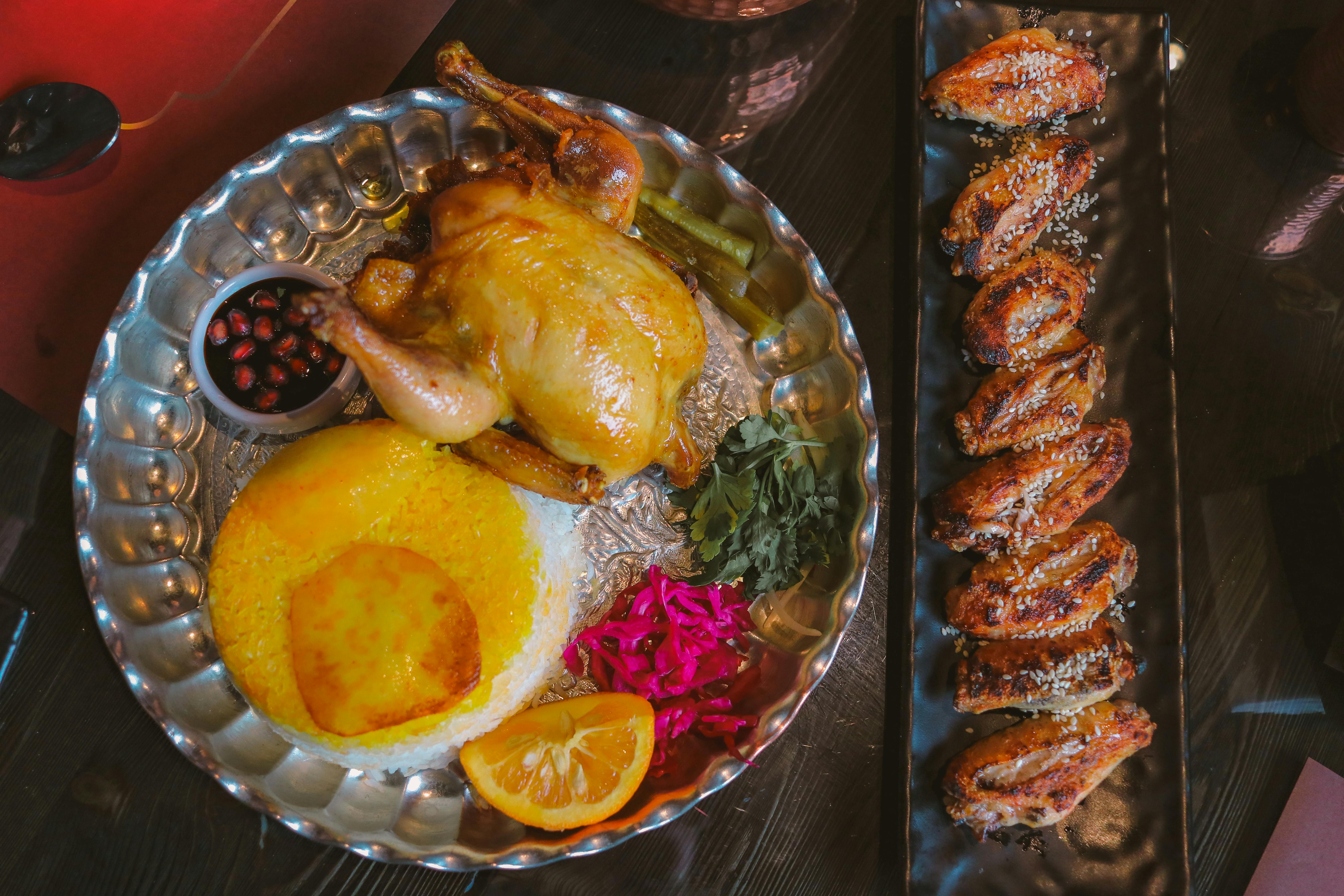
The culinary world is undergoing a seismic shift in 2026. Dive deep into the sustainable and ethical food revolution, exploring how cutting-edge food tech like lab-grown meat and advanced plant-based proteins are transforming global cuisine. Discover top brands, innovative meal kits, and dining experiences that cater to conscious consumers with a taste for the future. Optimize your plate for health, flavor, and planet with these money-generating insights into the future of food.
Introduction to the Topic
Welcome to 2026, where the aroma of tradition meets the innovation of tomorrow on our plates. The global culinary landscape is experiencing an unprecedented transformation, driven by a confluence of environmental consciousness, health imperatives, and groundbreaking food technology. No longer confined to niche markets, sustainable and ethical eating has exploded into the mainstream, redefining what we consider delicious, accessible, and responsible. From the bustling street food stalls of Bangkok to the Michelin-starred establishments of Paris, chefs and home cooks alike are embracing a new era of ingredients: lab-grown meats and hyper-realistic plant-based alternatives that promise to deliver the sensory satisfaction of conventional proteins without the ecological footprint.
This isn't just a trend; it's a paradigm shift. Consumers are increasingly demanding transparency, ethical sourcing, and environmental responsibility from their food providers. The quest for flavor remains paramount, but it's now intertwined with a desire for impact. In this comprehensive guide, we'll explore how these revolutionary proteins are not only mimicking traditional textures and tastes but are also inspiring entirely new culinary creations, pushing the boundaries of world cuisine. Prepare to discover the innovators, the game-changers, and the best options available right now to help you navigate this exciting, delicious, and deeply impactful food future.
Backgrounds & Facts
The urgency for sustainable food solutions has never been clearer. By 2026, the global population is nearing 8.3 billion, placing immense strain on conventional agricultural systems. Livestock farming, while a cornerstone of many global cuisines, contributes significantly to greenhouse gas emissions, deforestation, and water scarcity. This environmental pressure, coupled with growing concerns about animal welfare and the health implications of high meat consumption, has accelerated the search for viable alternatives.
Enter the twin titans of food innovation: **cultivated (lab-grown) meat** and **advanced plant-based proteins**. Cultivated meat, often referred to as 'clean meat,' involves growing animal cells in bioreactors, producing real meat without the need to raise and slaughter animals. After years of intensive research and development, companies have successfully scaled production, bringing down costs and expanding the variety of available products, from cultivated beef patties to chicken nuggets and even delicate seafood. Regulatory frameworks, while still evolving, have largely caught up, with several nations approving the sale of cultivated meat products, making them increasingly available in high-end restaurants and select retail channels.
Simultaneously, the **plant-based sector** has moved far beyond simple tofu and tempeh. Innovations in molecular gastronomy, fermentation, and extrusion technology have led to a new generation of plant-based proteins that precisely replicate the taste, texture, and mouthfeel of animal products. Ingredients like pea protein, soy, wheat, mushrooms, and even algae are being engineered into remarkably convincing alternatives for everything from juicy burgers to flaky fish fillets and succulent chicken breasts. These products are often fortified with essential nutrients, appealing to health-conscious consumers and flexitarians alike.
The convergence of these technologies is not just an environmental imperative; it's a culinary revolution. Chefs are finding new ways to integrate these proteins into traditional global dishes, from plant-based renditions of Korean BBQ to cultivated chicken curries, proving that sustainability doesn't mean sacrificing flavor or cultural authenticity. The market is booming, with investment pouring into R&D, manufacturing, and distribution, making these products more accessible and affordable than ever before. This rapid evolution is setting the stage for a new era of conscious consumption, where ethical choices align perfectly with epicurean delight.
Expert Opinion / Analysis
“The year 2026 marks a critical inflection point for global cuisine,” states Dr. Anya Sharma, a leading food futurist and head of the Sustainable Gastronomy Lab at the Global Culinary Institute. “What we’re seeing is not just a shift in ingredients, but a fundamental re-evaluation of our food systems. Consumers, especially younger generations, are incredibly savvy. They want delicious food, but they also demand to know its origin, its impact, and its ethical footprint. This has pushed both cultivated meat and advanced plant-based companies to innovate at an unprecedented pace.”
Dr. Sharma highlights the growing consumer acceptance. “Initially, there was skepticism around lab-grown meat, but as products have become more refined, affordable, and widely available, that resistance is fading. People are tasting cultivated wagyu and realizing it’s indistinguishable from its traditional counterpart, often with a cleaner flavor profile. Similarly, the latest plant-based seafood and poultry alternatives are so sophisticated that even seasoned chefs are challenged to tell the difference.”
Chef Jean-Luc Dubois, owner of the three-Michelin-starred ‘Étoile Verte’ known for its avant-garde sustainable menu, concurs. “For years, sustainability in fine dining meant sourcing local and seasonal. Now, it means embracing cellular agriculture and next-gen plant proteins. We’re working with cultivated pork belly for a new dim sum concept and a mycelium-based 'scallop' that holds flavor beautifully. These ingredients aren't just substitutes; they are premium products in their own right, opening up new creative avenues for global dishes.”
The economic impact is also significant. “The alternative protein market is projected to reach trillions by the end of the decade,” notes financial analyst Maria Rodriguez, specializing in agri-food tech investments. “Companies that can scale production efficiently, secure robust supply chains, and effectively market to diverse global palates will dominate. We’re seeing massive investment in bioreactor technology, precision fermentation, and AI-driven ingredient discovery. This is a high-growth sector with immense potential for both investors and consumers seeking innovative, ethical food choices.” The experts agree: the future of food is here, and it's both delicious and sustainable.
💰 Best Options in Comparison (VERY IMPORTANT)
As the market for sustainable proteins expands, discerning the best options can be challenging. We've curated a list of leading innovators in 2026, focusing on quality, availability, and their impact on global cuisine. These choices are tailored for the conscious consumer with purchasing intent, whether you're stocking your pantry, booking a dining experience, or subscribing to a meal kit.
-
SustainaBites Meats: The Cultivated Connoisseur's Choice
Innovation: A pioneer in cultivated beef and poultry, SustainaBites has perfected the art of growing premium animal cells to create cuts that rival their traditional counterparts in taste, texture, and aroma. Their flagship product, the “Cultivated Wagyu Steak,” is renowned for its marbling and rich umami flavor, making it a favorite in high-end restaurants across North America and Europe. They're also expanding into cultivated chicken breasts and ground beef, making sustainable luxury more accessible.
Best For: Special occasion dining, gourmet home cooking, impressing guests. Available through select online gourmet retailers and partner restaurants.
Purchasing Intent: Ideal for consumers willing to invest in a premium, ethical meat experience. Look for their products on specialized food delivery platforms or inquire at your local upscale butcher.
-
VerdePantry Organics: Plant-Based Powerhouse for Everyday Global Flavors
Innovation: VerdePantry has revolutionized the plant-based market with its focus on whole-food ingredients and advanced fermentation techniques to create incredibly versatile and healthy protein alternatives. Their “UmamiBoost Mince” (a blend of pea protein, mushroom mycelium, and ancient grains) is a game-changer for dishes like tacos, curries, and Bolognese. Their new “Ocean’s Kiss Fillets” (algae and fava bean-based) perfectly mimic white fish, ideal for plant-based fish and chips or pan-fried Asian dishes.
Best For: Everyday cooking, meal prep, families, and those exploring diverse global plant-based recipes. Widely available in major grocery stores and online.
Purchasing Intent: High value for money, excellent for weekly grocery shopping. Check their website for subscription boxes offering bulk discounts and new product alerts.
-
EcoCuisine Kits: Your Sustainable World Tour in a Box
Innovation: EcoCuisine Kits stands out as a premium meal kit delivery service entirely dedicated to sustainable and ethical global cuisine. Each week, subscribers receive pre-portioned ingredients and easy-to-follow recipes featuring either cultivated meats from partners like SustainaBites or advanced plant-based proteins from VerdePantry and others. Their menu rotates through authentic dishes from various regions—think Ethiopian Misir Wot with cultivated beef or Japanese Katsu Curry with plant-based chicken. All packaging is compostable or reusable.
Best For: Busy professionals, culinary adventurers, eco-conscious households, learning new cooking techniques. Offers both flexitarian and 100% plant-based options.
Purchasing Intent: Explore subscription plans, flexible delivery schedules. Compare their pricing tiers and dietary options against competitors.
-
TerraTable Experiences: Book Your Ethical Culinary Journey
Innovation: TerraTable is not a product, but a revolutionary platform connecting diners with sustainable culinary experiences worldwide. Using AI-powered recommendations, it helps users discover and book tables at restaurants committed to serving cultivated meats, innovative plant-based dishes, and locally sourced, ethical ingredients. From immersive tasting menus to sustainable food tours and cooking classes focused on future proteins, TerraTable curates unique gastronomic adventures.
Best For: Food tourism, special dining occasions, exploring cutting-edge restaurants, gifting culinary experiences. Available globally through their app and website.
Purchasing Intent: Perfect for booking reservations, comparing restaurant menus, finding culinary events, and purchasing gift vouchers for unique dining experiences.
| Product/Service | Key Innovation | Target Cuisine | Price Range (Avg.) | Best For |
|---|---|---|---|---|
| SustainaBites Meats | Premium Cultivated Beef & Poultry | Global Fine Dining, Western Cuisine | $$ (Premium) | Gourmet cooking, special occasions |
| VerdePantry Organics | Fermented Plant-Based Proteins (UmamiBoost Mince, Ocean’s Kiss Fillets) | Versatile Global, Everyday Cooking | $ (Mid-Range) | Daily meals, plant-based diet, health-conscious |
| EcoCuisine Kits | Sustainable Global Meal Kit Delivery (Cultivated/Plant-Based) | Diverse World Cuisines | $$ (Subscription) | Busy individuals, culinary exploration, learning new recipes |
| TerraTable Experiences | AI-Powered Ethical Dining & Experience Platform | Global Restaurant & Culinary Tourism | $$ - $$ (Experience Dependent) | Dining out, food travel, unique culinary gifts |
Outlook & Trends
Looking ahead, the trajectory of sustainable and ethical eating in global cuisine is one of accelerating innovation and increasing integration. By the end of the decade, we can expect to see cultivated meats and advanced plant-based proteins become commonplace on menus worldwide, not just as alternatives, but as standard, preferred options. Hybrid products, combining cellular agriculture with plant-based components for enhanced texture and nutrition, are poised for significant growth, offering consumers the best of both worlds.
Personalized nutrition, driven by AI and biotechnology, will also play a crucial role. Imagine meal plans and ingredients tailored not just to your dietary preferences, but to your unique microbiome and genetic profile, all sourced sustainably. The 'bio-economy' of food will flourish, with precision fermentation creating a vast array of novel ingredients, from designer fats to proteins with specific functional benefits, further expanding the palette of global chefs.
Furthermore, expect to see a democratization of these technologies. As production scales, costs will continue to fall, making sustainable proteins accessible to a broader demographic globally. This will have profound implications for food security, public health, and environmental regeneration, particularly in regions most vulnerable to climate change and resource scarcity. Culinary schools are already adapting their curricula to include cellular agriculture and plant-based innovation, ensuring a new generation of chefs is equipped to lead this revolution.
The culinary world is not just adapting; it's actively shaping a more delicious, equitable, and sustainable future, one bite at a time. The innovations of 2026 are merely the appetizer for what promises to be a truly transformative era in how we eat, celebrate, and sustain ourselves.
Conclusion
The future of food, as we experience it in 2026, is vibrant, innovative, and profoundly ethical. The rise of lab-grown meats and advanced plant-based proteins is not just a passing fad but a foundational shift, reshaping global cuisine for the better. These cutting-edge technologies offer tantalizing solutions to some of humanity's most pressing challenges, from climate change to food security, all while delivering unparalleled culinary experiences.
Whether you're a seasoned foodie, a health-conscious consumer, or simply curious about what's next on your plate, the options for engaging with this food revolution are more diverse and delicious than ever before. From premium cultivated steaks to versatile plant-based mince, and from curated meal kits to immersive dining experiences, the power to make a positive impact through your food choices is firmly in your hands. Explore the options we've highlighted, taste the future, and become a part of the movement that's redefining what it means to eat well in the 21st century. Your palate, your health, and our planet will thank you.