
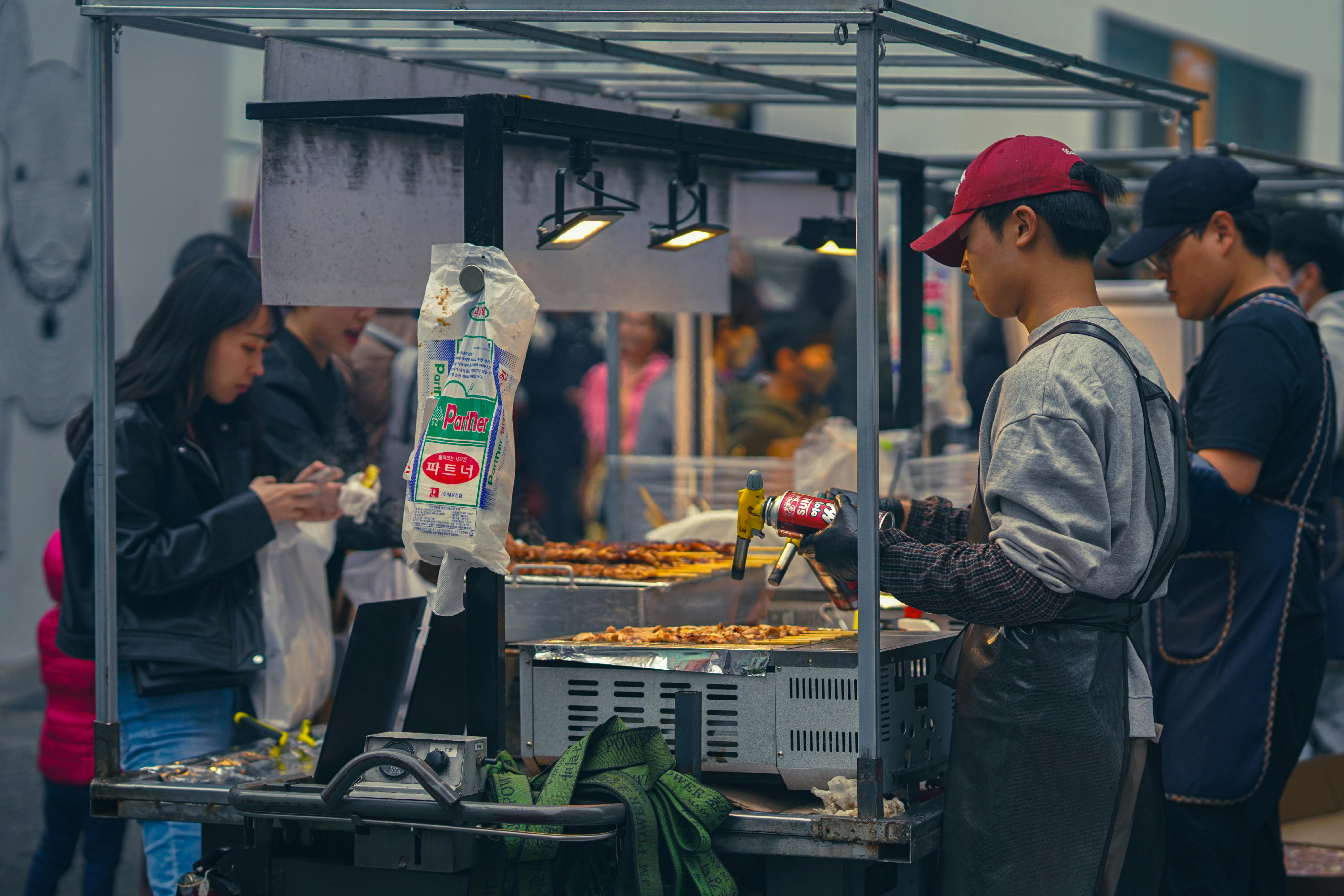
Dive into the revolutionary world of street food in 2026, where sustainability meets cutting-edge technology. Discover how eco-friendly practices, plant-based innovations, and AI-driven services are transforming urban dining. This guide helps you navigate the best street food experiences, compare top vendors, and book your next delicious, ethical, and efficient meal.
Introduction to the Topic
The year is 2026, and the aroma of sizzling spices, fresh herbs, and innovative ingredients wafts through urban centers worldwide, signaling a revolution in street food. Gone are the days when 'street food' simply meant quick, greasy bites. Today, it represents a vibrant, dynamic ecosystem where culinary creativity converges with a profound commitment to planetary health and technological advancement. At onioncurry.com, we've been tracking this seismic shift, and it’s clear: the future of urban dining is delicious, sustainable, and remarkably smart. Consumers, increasingly aware of their environmental footprint and demanding greater convenience, are driving this evolution. They're not just looking for a meal; they're seeking an experience that aligns with their values – an experience that is both ethical and efficient. From zero-waste food trucks powered by renewable energy to AI-driven kiosks serving hyper-personalized dishes, the street food landscape of 2026 is a testament to human ingenuity and a collective desire for a better, tastier world. This article will guide you through the hottest trends, introduce you to the pioneers, and help you find – and even book – your next unforgettable street food adventure.
Backgrounds & Facts
The global street food market, projected to exceed $250 billion by 2028, has seen unprecedented growth, particularly in the post-2020 era. This expansion isn't just about volume; it's about transformation. A significant driver is the heightened consumer awareness regarding sustainability. According to a 2025 'Future of Food' report, over 70% of diners prioritize eco-friendly options, with demand for plant-based street food soaring by 40% annually since 2023. This isn't a niche; it's the mainstream. Vendors are responding by adopting local sourcing, composting programs, and innovative compostable or edible packaging solutions, effectively minimizing their environmental impact. Furthermore, the rapid advancements in food technology have reshaped operational efficiency and customer engagement. AI-powered inventory management systems reduce food waste, while smart kiosks offer seamless, cashless transactions and personalized menu recommendations based on past orders and dietary preferences. Delivery platforms, now integrated with advanced logistics and drone delivery in select urban zones, have further blurred the lines between restaurant and street vendor, making gourmet street food more accessible than ever. The pandemic years accelerated the adoption of contactless ordering and payment systems, which have now evolved into sophisticated 'mobile-first' experiences where you can pre-order from your favorite eco-friendly food truck or reserve a slot at a popular pop-up event with a few taps on your smartphone. This convergence of ethical practices, technological prowess, and culinary excellence defines the street food scene of 2026, offering diverse and exciting choices for every palate and preference.
Expert Opinion / Analysis
To get a deeper insight into these transformative trends, we spoke with Dr. Anya Sharma, a leading 'Food Systems Futurist' and consultant for sustainable culinary businesses. 'What we're witnessing is a fundamental redefinition of value in the food industry,' Dr. Sharma explains. 'Consumers are no longer just paying for the food itself; they're investing in the entire lifecycle – from farm to fork, and beyond. They want transparency, ethical sourcing, and minimal environmental impact. Street food, with its inherent agility and direct interaction with the public, is perfectly positioned to lead this charge.' Dr. Sharma highlights the economic benefits for vendors too: 'Adopting sustainable practices, while initially an investment, often leads to reduced operational costs in the long run through waste reduction and increased customer loyalty. Furthermore, integrating smart tech, like AI for predictive ordering or automated cooking modules, significantly boosts efficiency and allows chefs to focus more on innovation rather than repetitive tasks.' She also points out the rise of 'hyper-regional fusion' street food, where traditional techniques meet global flavors, often showcasing forgotten ingredients or sustainable alternatives. 'This isn't just about plant-based burgers anymore; it's about innovative ingredients like lab-grown mycelium 'meat' tacos or seaweed-based 'caviar' on artisanal flatbreads, all served with a story of sustainability and local impact. For investors, the mobile food business, particularly those with a strong sustainable and tech-forward model, presents incredibly lucrative opportunities. We're seeing venture capital pour into startups developing eco-friendly food truck designs and AI-driven street food management platforms.' The analysis confirms that the synergy between sustainability and technology isn't just a passing fad; it's the bedrock of the street food industry's future, appealing to both conscious consumers and savvy entrepreneurs.
💰 Best Options in Comparison (VERY IMPORTANT)
Navigating the diverse and rapidly evolving street food scene of 2026 can be exhilarating, but how do you choose the best experience for your cravings and values? Whether you're seeking a quick, ethical bite or a unique culinary adventure, understanding the different models is key. Here, we compare three prominent types of sustainable and smart street food options that are dominating urban centers, helping you make an informed decision for your next meal or catering event.
- The Hyper-Local, Zero-Waste Food Truck: These mobile culinary hubs are the epitome of 'farm-to-fork' on wheels. They pride themselves on sourcing ingredients from within a 50-mile radius, often featuring seasonal menus that change weekly. Their commitment to zero-waste extends to composting all organic scraps, using only biodegradable or edible packaging, and often operating on solar or biofuel power. Think artisanal tacos with locally grown heirloom beans, or gourmet grilled cheese sandwiches with regional cheeses, all served on a compostable plate with bamboo cutlery. Many offer pre-ordering via dedicated apps like 'LocalEats 2026' or 'GreenGrub Hub', allowing you to skip the queue and ensure your meal is ready the moment you arrive. They are ideal for community events, local markets, and those who prioritize environmental impact and fresh, regional flavors.
- The Smart Kiosk / Automated Pod: Representing the pinnacle of food tech, these sleek, compact units are often found in bustling business districts, transit hubs, and smart city zones. Powered by AI, they offer a highly efficient, customizable, and often 24/7 dining experience. Customers interact with a touch screen or voice-activated interface, selecting from a curated menu of freshly prepared, pre-packaged, or robotically assembled dishes. Options range from personalized salad bowls with precise calorie counts to gourmet coffee and pastries. Payment is entirely cashless, often integrated with biometric scans or mobile payment apps. While their sustainability efforts focus more on optimized inventory (reducing food waste) and energy efficiency, many are now incorporating plant-based options and recyclable packaging. Apps like 'SmartBite Finder' or 'QuickEats AI' help you locate the nearest pod and view real-time menu availability. Perfect for busy professionals, tech enthusiasts, and anyone seeking ultimate convenience and speed.
- The Experiential Pop-Up / Ghost Kitchen Hybrid: This innovative model combines the exclusivity of a pop-up event with the efficiency of a ghost kitchen. Operating from temporary locations – sometimes a repurposed warehouse, a rooftop, or even a virtual kitchen that only offers delivery – these concepts focus on unique, often limited-time menus from renowned or emerging chefs. Sustainability is integrated through ingredient sourcing and packaging, but the primary draw is the innovative culinary experience. Many 'Ghost Kitchen' street food brands leverage sophisticated delivery networks and pre-order systems, allowing customers to book a specific 'meal kit' for home assembly or a timed pickup from a discreet location. These are often advertised through social media and dedicated booking platforms like 'GourmetGatherings.com' or 'UrbanFeast Events'. They are excellent for adventurous foodies, special occasions, and those who love discovering cutting-edge culinary trends without the traditional restaurant overhead.
To help you compare these exciting options at a glance, here's a detailed table:
| Feature | Hyper-Local Zero-Waste Truck | Smart Kiosk / Automated Pod | Experiential Pop-Up Hybrid |
|---|---|---|---|
| Core Focus | Local, seasonal, ethical, minimal waste | Efficiency, customization, speed, tech-driven | Unique menus, innovative experiences, delivery-centric |
| Sustainability Score (1-5) | 5 (High: local sourcing, zero-waste packaging, energy) | 3 (Medium: optimized inventory, energy-efficient operations) | 4 (Good: conscious sourcing, often sustainable packaging) |
| Tech Integration Level | Medium (online pre-ordering, social media engagement) | High (AI, automation, cashless payments, robotics) | High (advanced booking, delivery apps, virtual menus, targeted marketing) |
| Convenience Factor | Medium (location dependent, pre-order recommended) | High (fast, often 24/7, consistent availability) | Medium-High (pre-booking essential, specific pickup/delivery windows) |
| Typical Price Point | $ (Mid-range, reflecting quality ingredients) | $ (Mid-range, for efficiency and quality) | $$ (Mid-to-High, for exclusive culinary experiences) |
| Best For | Eco-conscious diners, local food enthusiasts, community events, catering services seeking ethical options. | Busy urbanites, tech-savvy consumers, quick & reliable meal solutions, corporate campuses. | Adventurous foodies, special occasions, discovering new chefs, unique catering experiences. |
| How to Find/Book | 'LocalEats 2026', 'GreenGrub Hub', social media, local market listings. | 'SmartBite Finder', 'QuickEats AI', dedicated kiosk apps, city directories. | 'GourmetGatherings.com', 'UrbanFeast Events', chef social media, exclusive email lists. |
Whether you're organizing a corporate event, planning a personal celebration, or simply seeking an exciting new lunch spot, these options provide diverse pathways to experiencing the best of 2026's street food revolution. Consider your priorities – sustainability, speed, or culinary adventure – and explore the platforms mentioned to book your next unforgettable meal.
Outlook & Trends
Looking ahead, the street food landscape promises even more groundbreaking innovations. We anticipate further integration of AI not just in operations, but in personalized nutrition and allergy management, with smart systems suggesting dishes tailored to individual health profiles. The concept of 'edible packaging' is set to move beyond novelty, becoming a mainstream solution for reducing waste, with breakthroughs in seaweed-based films and fruit-pulp containers. Drone delivery, already in pilot phases, will expand its reach, offering rapid and eco-friendly food transport in densely populated areas. We may even see 'subscription box' models for gourmet street food, where curated meals from top vendors are delivered weekly. Regulatory bodies are also catching up, with increasing incentives for sustainable practices and clearer guidelines for mobile food businesses, fostering an environment ripe for ethical growth. The global exchange of culinary ideas will intensify, leading to even more vibrant fusion concepts that celebrate diversity while adhering to universal standards of sustainability and quality. The future of street food is not just about eating; it's about a holistic experience that nourishes both body and planet, driven by innovation and a conscious consumer base.
Conclusion
The street food scene of 2026 is a dazzling tapestry woven with threads of sustainability, technological brilliance, and unparalleled culinary artistry. From the vibrant, eco-conscious food trucks championing local produce to the efficient, AI-powered kiosks offering hyper-customized meals, and the exclusive pop-ups pushing gastronomic boundaries, there's an option for every palate and preference. This revolution isn't just changing how we eat; it's redefining urban dining, making it more ethical, accessible, and exciting than ever before. As conscious consumers, our choices fuel this positive change. So, whether you're planning your next meal, booking catering for an event, or simply eager to explore the cutting edge of urban cuisine, embrace the future. Dive into the diverse offerings, support the innovators, and taste the incredible evolution of street food. Your next unforgettable culinary journey awaits!