
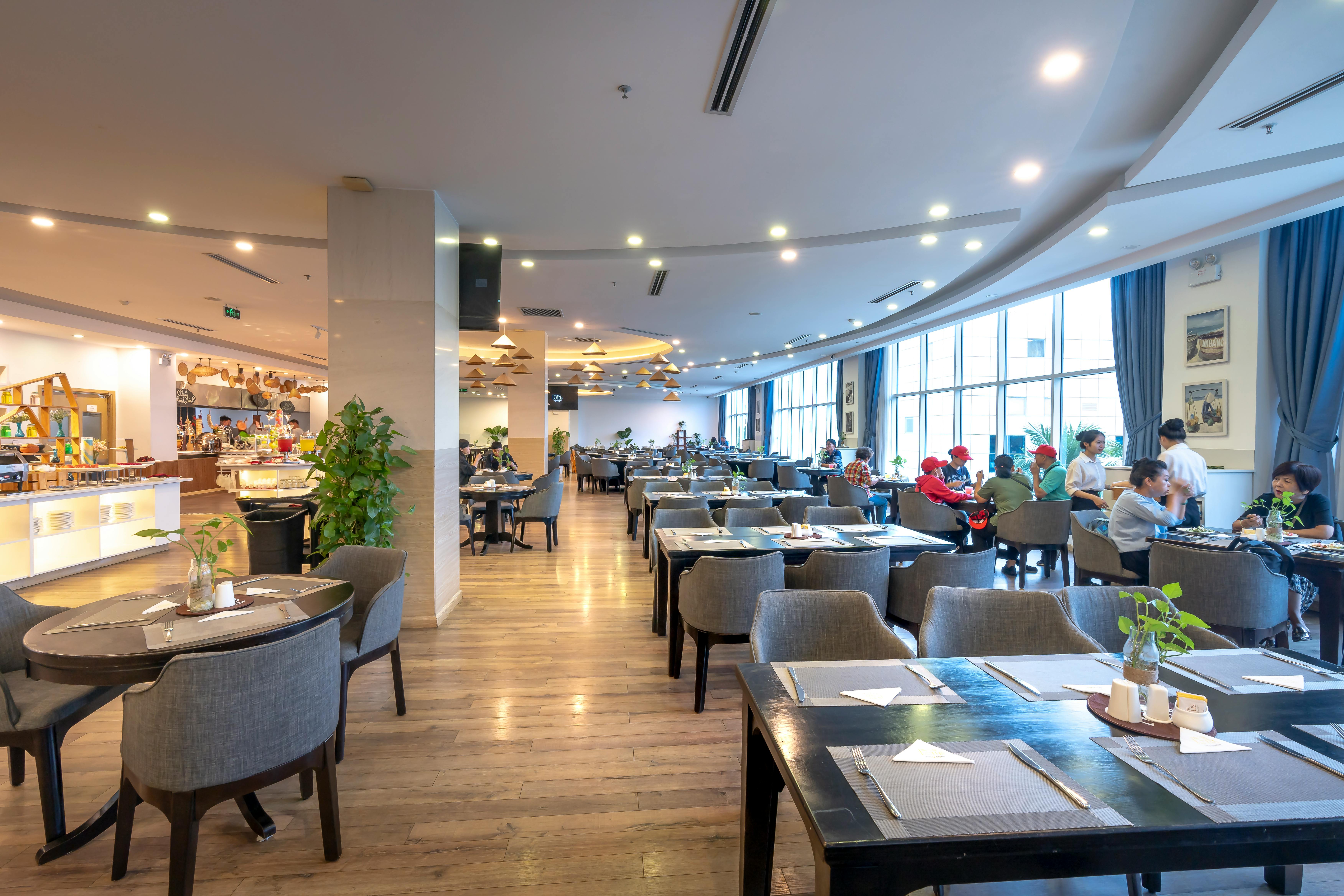
The restaurant industry in 2026 is undergoing a seismic shift. From AI-powered personalized menus tailored to your deepest cravings and dietary needs, to breathtaking VR immersive dining experiences that transport you to another world, the future of food is here. Discover the best hyper-personalized dining options, compare cutting-edge restaurant tech, and learn how to book your next unforgettable culinary adventure.
Introduction to the Topic
Welcome to 2026, where the simple act of dining out has been utterly transformed. Forget static menus and predictable ambiances. Today, your restaurant experience is a bespoke journey, crafted by algorithms and enhanced by virtual realities. The convergence of Artificial Intelligence (AI) and Virtual Reality (VR) isn't just a gimmick; it's redefining culinary excellence, offering unparalleled personalization and sensory immersion. For consumers, this means meals that are not only delicious but also perfectly aligned with their health goals, mood, and even their wildest imaginative desires. For restaurateurs, it's a new frontier of innovation, efficiency, and customer engagement. As we navigate this exciting new era, the question isn't just what you'll eat, but how your entire dining world will be shaped. Are you ready to book your next meal in a dimension you never imagined?
Backgrounds & Facts
The seeds of this revolution were planted years ago. By 2026, AI has matured beyond simple chatbots, now capable of sophisticated data analysis, predictive modeling, and even creative generation. In the culinary world, this translates to AI systems that can analyze a diner's past orders, dietary restrictions, biometric data (with consent, of course), social media sentiment, and even real-time mood indicators to suggest or even design a truly unique dish. We've moved past basic allergy filters to AI that recommends a specific micronutrient-rich meal after a strenuous workout, or a comforting, nostalgic dish based on your childhood preferences extracted from your digital footprint.
Simultaneously, VR and AR (Augmented Reality) technologies have become more accessible and seamless. Lightweight, high-resolution headsets are no longer clunky prototypes but elegant accessories. This allows restaurants to offer truly immersive environments. Imagine dining on Mars, under the sea, or in a bustling ancient marketplace, all while enjoying a physical meal. Early adopters in cities like Tokyo, London, and New York have already proven the concept's immense appeal, reporting significantly higher customer satisfaction and repeat visits for these novel experiences. The global market for experiential dining, encompassing both AI-driven personalization and VR immersion, is projected to exceed $500 billion by 2028, signaling a massive shift in consumer spending habits towards unique, memorable experiences over conventional fare. This isn't just about food; it's about curated memories.
Expert Opinion / Analysis
“The restaurant of the future isn’t just a place to eat; it’s a canvas for experience,” states Dr. Anya Sharma, a leading food tech futurist at the Gastronomy Institute of Innovation. “AI allows for an unprecedented level of understanding of the individual diner, moving from mass-market appeal to hyper-niche satisfaction. It’s the ultimate concierge, anticipating your desires before you even voice them.” However, Dr. Sharma also cautions about the ethical implications. “Data privacy and transparency are paramount. Consumers need to feel in control of their personal information, and restaurants must be explicit about how AI is used to enhance, not exploit, their dining journey.”
From a culinary perspective, Chef Antoine Dubois, a Michelin-starred pioneer in AI-assisted cooking, believes these technologies are empowering, not replacing, human creativity. “AI handles the complex nutritional balancing and ingredient sourcing, freeing my team to focus on artistry, presentation, and the soul of the dish. It’s a powerful sous chef that never tires.” Dubois notes that the challenge lies in maintaining authenticity amidst the technological marvels. “The goal is to enhance the human connection to food, not to digitize it entirely. The best experiences seamlessly blend the digital with the delicious, creating moments that feel both futuristic and deeply personal.” The financial benefits are clear: reduced food waste through predictive ordering, optimized staffing, and premium pricing for unparalleled experiences all contribute to higher profit margins, making these investments increasingly attractive to savvy restaurateurs.
💰 Best Options in Comparison (VERY IMPORTANT)
Ready to dive into the future of dining? Here’s a comparison of the leading types of personalized and immersive restaurant experiences available for booking in 2026, catering to different preferences and budgets:
- Crave AI Personalization Labs: These are high-end, bespoke dining establishments where AI is at the heart of your multi-course tasting menu. Before your reservation, you complete a detailed digital profile, which the AI then uses to craft dishes tailored to your taste preferences, dietary needs, mood, and even your personal flavor adventure goals. Think 'Omakase' but with an AI chef's assistant analyzing every data point to create a truly unique culinary narrative.
- MetaTaste VR Bistros: Offering a more visual and sensory immersion, MetaTaste Bistros pair exquisite physical food with cutting-edge VR environments. Diners wear lightweight, comfortable VR headsets that transport them to exotic locales – a Parisian cafe in the 1920s, a futuristic space station overlooking Earth, or a bioluminescent underwater garden – all while enjoying a perfectly synchronized meal served by human staff. It's dining as a theatrical performance.
- NutriGenius Custom Eateries: For the health-conscious or those with precise dietary requirements, NutriGenius leverages AI to craft meals based on genetic profiles, activity trackers, and real-time wellness goals. These eateries prioritize optimized nutrition and functional food, ensuring every bite contributes to your peak physical and mental state. Less about entertainment, more about precision wellness, yet still delivering gourmet taste.
- FlavorFlow Home Kits (Powered by AI): While not a traditional restaurant, FlavorFlow brings hyper-personalization directly to your kitchen. Their AI analyzes your evolving tastes, cooking skill level, and weekly schedule to curate and deliver ingredient boxes with bespoke recipes. It’s the ultimate convenience for those who want restaurant-quality, personalized meals without leaving home, offering a subscription-based model for ongoing culinary discovery.
Comparative Overview of Future Dining Experiences
| Experience Type | Key Technology | Customization Level | Price Point (Avg. Per Person) | Best For | Booking Platform/Approach |
|---|---|---|---|---|---|
| Crave AI Personalization Labs | Advanced AI, Predictive Analytics, Biometric Integration | Extremely High (Dish-level personalization) | $150 - $500+ | Foodies seeking unique, data-driven culinary journeys | Proprietary Restaurant Apps, Exclusive Concierge Services |
| MetaTaste VR Bistros | High-Resolution VR Headsets, Spatial Audio, Haptic Feedback | Medium (Environment & Themed Menu choice) | $80 - $200 | Diners seeking immersive, theatrical, and visually stunning experiences | OpenTable 2.0, Resy, Direct Restaurant Websites |
| NutriGenius Custom Eateries | AI-driven Nutritional Analysis, Genetic Data Integration | High (Nutrient & Ingredient-level personalization) | $70 - $180 | Health enthusiasts, athletes, those with specific dietary goals | Wellness Apps, Dedicated NutriGenius Platform |
| FlavorFlow Home Kits (Powered by AI) | AI Recipe Generation, Predictive Ingredient Sourcing, Logistics AI | High (Recipe & Ingredient Box Personalization) | $60 - $120 (Weekly Subscription) | Home cooks, busy professionals, convenience seekers | FlavorFlow Subscription Portal, Partner Retailers |
Outlook & Trends
Looking ahead, the fusion of AI and VR in dining is only set to deepen. We anticipate a future where haptic feedback tables simulate textures, where olfactory generators release custom aromas to enhance your meal, and where real-time mood detection adjusts ambient lighting and music to perfect your emotional state. Blockchain technology might even be integrated to ensure transparent sourcing of ingredients, visible in AR overlays as you dine.
The industry will also likely see a rise in “hybrid” experiences, combining elements from several categories. Imagine a VR bistro that also uses AI to personalize the visual narrative based on your past travel experiences. Ethical AI use and data security will become even more critical, with certifications and regulatory frameworks emerging to protect consumer privacy. Furthermore, expect to see more accessible price points as these technologies become more mainstream, democratizing the future of dining for a wider audience. The competition will be fierce, driving innovation at an accelerating pace and ensuring that the only constant in dining is delightful change.
Conclusion
The restaurant landscape of 2026 is a testament to human ingenuity and technological progress. Hyper-personalized dining, powered by AI, and breathtaking immersive experiences, delivered through VR, are no longer concepts but realities. These advancements promise not just a meal, but a meticulously crafted memory, tailored specifically for you. Whether you're a discerning foodie, a health enthusiast, or simply seeking an unforgettable adventure, there's an innovative dining experience waiting. Don't just eat; embark on a culinary journey into the future. Explore these cutting-edge options and book your personalized, immersive dining experience today – because the future of food is now, and it’s truly delicious!