
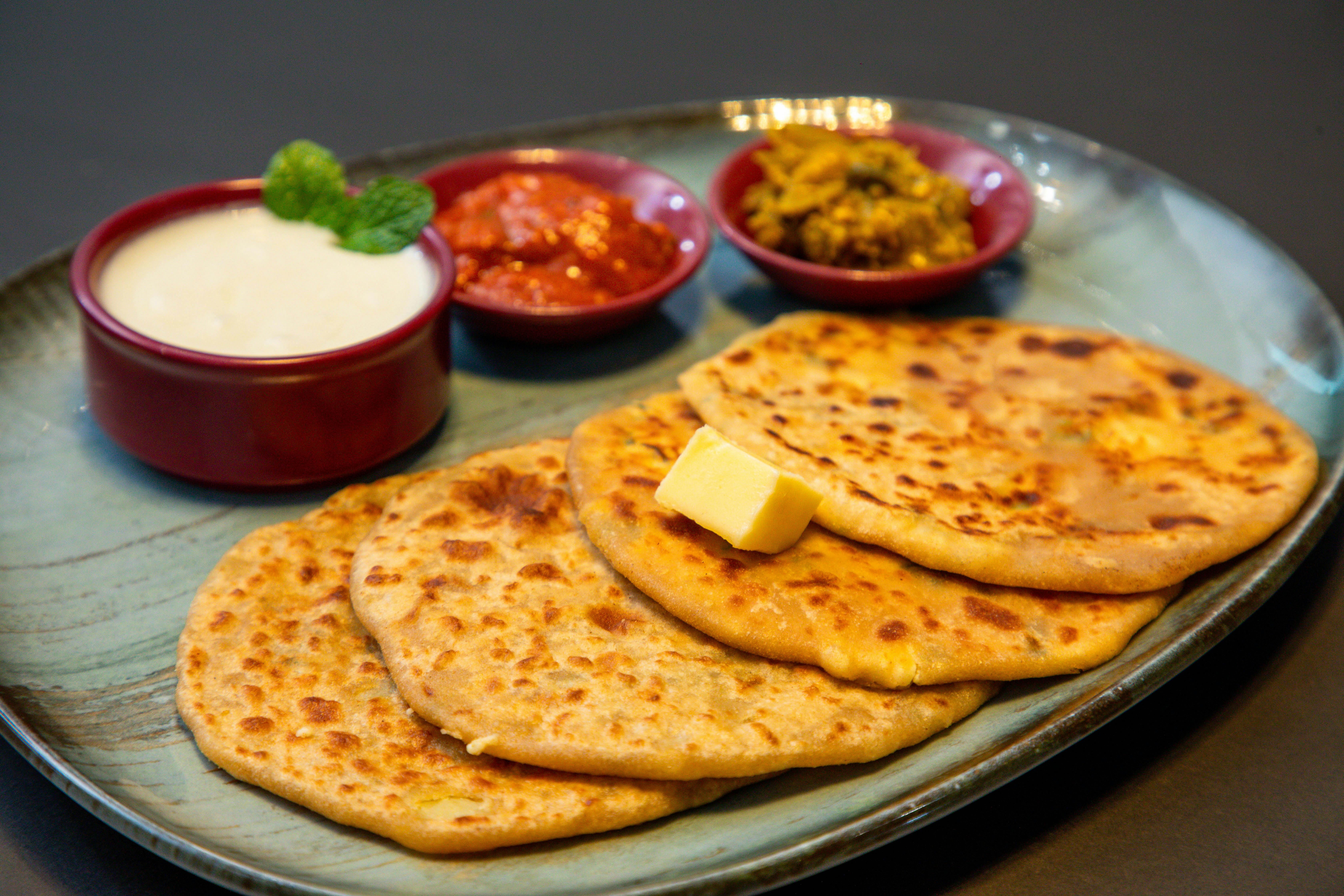
Discover the delicious, sustainable, and rapidly growing world of plant-based Indian 'meats' in 2026. From succulent 'chicken' tikka to rich 'lamb' rogan josh, explore the top brands, compare flavors, and find out where to purchase these innovative alternatives for your next authentic Indian meal, optimized for health and the planet. Unlock the future of flavor with our ultimate buyer's guide!
Introduction to the Topic
Welcome to 2026, where the culinary landscape is shifting faster than ever before. While India has long celebrated a vibrant vegetarian tradition, a new wave of innovation is redefining what it means to enjoy an authentic Indian meal. We're talking about the meteoric rise of plant-based Indian 'meats' – revolutionary alternatives that perfectly mimic the taste, texture, and cooking experience of traditional animal protein, all while being kinder to the planet and often healthier for you. This isn't just a trend; it's a culinary revolution, transforming everything from your home kitchen to gourmet dining.
For decades, Indian cuisine has been lauded for its incredible array of vegetarian dishes, with paneer, lentils, and vegetables taking center stage. But for those who grew up savoring butter chicken, lamb rogan josh, or spicy keema pav, the leap to a fully plant-based diet sometimes felt like a sacrifice of beloved flavors. Not anymore. Thanks to cutting-edge food technology and a deep understanding of Indian spices, a new generation of plant-based products is making it possible to enjoy all your favorite curries, biryanis, and kebabs without compromise. This article is your definitive guide to navigating this exciting new frontier, helping you identify the best products, understand their benefits, and, most importantly, know exactly where to buy them to elevate your Indian cooking game.
Backgrounds & Facts
The global plant-based food market is projected to reach unprecedented valuations by the end of the decade, and India is a significant driver of this growth. While a large segment of India's population has historically practiced vegetarianism for religious or cultural reasons, the modern plant-based movement is distinct. It’s driven by a confluence of factors: growing environmental consciousness, increasing health awareness, and ethical considerations regarding animal welfare. Consumers in 2026 are more informed than ever, seeking sustainable food choices that align with their values without sacrificing culinary pleasure.
Traditional Indian diets, rich in pulses, grains, and vegetables, provided a strong foundation. However, the demand for 'meat-like' experiences among flexitarians and those transitioning to plant-based diets has spurred innovation. Modern plant-based Indian 'meats' leverage advanced protein extraction techniques from sources like peas, soy, mushrooms, and even jackfruit, combined with sophisticated flavoring systems. These aren't just vegetable chunks; they are engineered to replicate the fibrous structure of chicken, the tenderness of lamb, and the robust mouthfeel of mince. The environmental benefits are substantial: significantly lower water usage, reduced land footprint, and a drastic cut in greenhouse gas emissions compared to conventional meat production. Health-wise, these alternatives often boast lower saturated fat and cholesterol, while being rich in fiber, making them an attractive option for a balanced diet. The market is ripe with innovation, and 2026 is seeing a surge in both domestic and international brands vying for a spot in your pantry.
Expert Opinion / Analysis
“The textures and flavor absorption of these new plant-based proteins are astounding,” exclaims Chef Rakesh Sharma, affectionately known as 'The Curry Alchemist' for his innovative approach to Indian cuisine. “We’re crafting ‘butter chicken’ that even devout carnivores can’t tell apart from the real thing. The trick is understanding how these new proteins interact with traditional Indian marinades and cooking methods. They’re not just substitutes; they’re a canvas for culinary creativity.” Chef Sharma’s restaurant, ‘The Green Spice Table,’ has seen a 40% increase in patronage since introducing a dedicated plant-based Indian 'meat' menu.
Dr. Priya Singh, a leading food scientist specializing in plant protein innovation, sheds light on the technological advancements. “Biomimicry in food technology has come incredibly far. We’re replicating the fibrous structure of chicken and the marbling of lamb with plant compounds, enhancing them with traditional Indian spices for unparalleled authenticity. The key challenge has always been achieving that elusive 'umami' and meaty mouthfeel without artificial additives. Through advanced fermentation techniques and smart ingredient combinations, we've cracked the code. The future of Indian cuisine is not just about what you eat, but how it’s made – sustainably and deliciously.”
The innovation extends beyond just replicating meat. Brands are now focusing on specific regional Indian dishes. Imagine a plant-based 'fish' curry from Goa or a 'pork' vindaloo alternative that captures the tangy, spicy essence perfectly. This hyper-specialization is what truly sets 2026 apart, moving beyond generic plant-based options to highly tailored, culturally resonant products that honor the diversity of Indian flavors.
💰 Best Options in Comparison (VERY IMPORTANT)
With so many options flooding the market, choosing the right plant-based Indian 'meat' can be daunting. We’ve scoured the market to bring you the top contenders that are dominating shelves and kitchens in 2026, focusing on taste, texture, versatility, and value. Get ready to upgrade your next Indian feast!
-
DesiDelights: The Gourmet Ready-to-Cook Revolution
DesiDelights has emerged as the go-to brand for convenience without compromising on authentic Indian flavors. Their specialty lies in premium, marinated, ready-to-cook plant-based 'chicken' tikka and 'lamb' seekh kebabs. Crafted from a blend of pea protein and mushroom, their products boast an incredibly fibrous, tender texture that truly absorbs marinades like traditional meat. Perfect for grilling, pan-frying, or adding directly to your favorite curry base. If you're looking for an effortless way to create a restaurant-quality Indian meal at home, DesiDelights is your answer.
Why Buy: Unmatched convenience, authentic taste, excellent texture for grilling and curries. Ideal for busy foodies who crave gourmet Indian at home. Click here to shop DesiDelights 'Chicken' Tikka now!
-
GreenGourmet India: The Versatile Home Cook's Essential
For the home chef who loves to experiment, GreenGourmet India offers unparalleled versatility. Their flagship products include a highly adaptable plant-based 'keema' (mince) and shredded 'chicken' alternative. Made primarily from soy and wheat gluten, these products have a mild, umami flavor profile that makes them a perfect canvas for any Indian spice blend. The 'keema' crumbles beautifully, ideal for samosas, keema pav, biryanis, or a rich curry, while the shredded 'chicken' excels in Kormas or Jalfrezis. GreenGourmet is known for its budget-friendly pricing and widespread availability, making it a staple in many Indian households.
Why Buy: Highly versatile, great value, perfect for customizing your own recipes. A pantry essential for creative Indian cooking. Explore GreenGourmet India 'Keema' options here!
-
SpiceRoot Innovations: The Regional Delicacy Pioneer
For the adventurous palate, SpiceRoot Innovations is pushing boundaries by specializing in regional Indian plant-based alternatives that are traditionally meat-heavy. Their star products include a flaky, succulent plant-based 'Goan Fish Curry' alternative (using jackfruit and seaweed extract) and a surprisingly authentic 'Pork Vindaloo' substitute. SpiceRoot aims to capture the specific textures and flavor nuances of these complex dishes, offering a truly unique gourmet experience. While at a higher price point, their offerings are a must-try for those seeking to explore the unexplored corners of plant-based Indian cuisine.
Why Buy: Unique regional specialties, authentic flavor profiles for specific cravings, gourmet experience. Discover SpiceRoot's specialty range!
To help you make an informed decision, here's a detailed comparison:
| Feature | DesiDelights 'Chicken' Tikka | GreenGourmet India 'Keema' | SpiceRoot Innovations 'Goan Fish' |
|---|---|---|---|
| Product Type | Marinated Ready-to-Cook Pieces | Versatile Plant-Based Mince | Pre-made Specialty Curry Alternative |
| Primary Protein | Pea Protein, Mushroom | Soy Protein, Wheat Gluten | Jackfruit, Seaweed Extract |
| Key Dishes Suited | Tikka Masala, Skewers, Curries | Keema Pav, Biryani, Samosas, Curries | Goan Fish Curry, South Indian Curries |
| Flavor Profile | Rich, Smoky, Authentic Indian Spices | Mild, Umami-rich, Highly Adaptable | Tangy, Spicy, Distinctly Seafood-like |
| Texture | Fibrous, Tender, Chewy | Crumbly, Meaty, Versatile | Flaky, Succulent, Soft |
| Price Point (per serving) | ₹350 - ₹400 (Premium) | ₹250 - ₹300 (Mid-Range) | ₹450 - ₹550 (High-End Specialty) |
| Availability | Major Supermarkets, Online Retailers | Widespread, Hyperlocal Delivery, Online | Specialty Food Stores, Direct-to-Consumer Online |
| Best For | Quick Authentic Meals, Grilling, Entertaining | Everyday Cooking, Recipe Customization, Bulk | Gourmet Experiences, Specific Regional Cravings |
| Our Rating | ⭐⭐⭐⭐⭐ | ⭐⭐⭐⭐ | ⭐⭐⭐⭐⭐ |
Ready to try these incredible innovations? Each brand offers unique advantages, catering to different culinary needs and preferences. Don't wait – the future of delicious Indian food is now available at your fingertips!
Outlook & Trends
The plant-based Indian 'meat' market is far from reaching its peak in 2026. We anticipate several key trends shaping its future:
- Hyper-Personalization: Expect to see plant-based options tailored not just for taste but also for specific nutritional needs, dietary restrictions, and even gut health, driven by AI and advanced food analytics.
- Restaurant Integration: More fine-dining Indian restaurants will integrate dedicated plant-based 'meat' menus, moving beyond basic vegetarian options to sophisticated culinary creations. We might even see Michelin-starred plant-based Indian establishments.
- Novel Protein Sources: Research into alternative protein sources like cultivated mycelium, algae, and even air-based proteins will bring forth even more sustainable and diverse options, offering new textures and nutritional profiles.
- Global Expansion of Indian Brands: Indian plant-based 'meat' brands, leveraging their authentic spice blends and culinary heritage, are poised for significant international expansion, bringing the unique flavors of India to the global plant-based market.
- Hybrid Products: As a transitional step for some, we may see a rise in 'hybrid' meat products that blend conventional meat with plant-based ingredients, offering a reduced environmental footprint while retaining a familiar taste.
The investment in this sector is booming, attracting both domestic and international venture capital, ensuring a continuous stream of innovation and accessibility.
Conclusion
The year 2026 marks a pivotal moment for Indian cuisine, as plant-based 'meats' move from niche alternatives to mainstream essentials. This revolution isn't just about mimicry; it's about pioneering a new era of sustainable, healthy, and incredibly flavorful dining that honors India's rich culinary heritage while embracing the future. Whether you're a lifelong vegetarian, a curious flexitarian, or a seasoned carnivore looking to explore new horizons, the world of plant-based Indian 'meats' offers a bounty of delicious possibilities.
With brands like DesiDelights, GreenGourmet India, and SpiceRoot Innovations leading the charge, there has never been a better time to experiment with these innovative products. From quick weeknight dinners to elaborate festive feasts, plant-based Indian 'meats' are making it easier than ever to enjoy your favorite dishes with a clear conscience and an excited palate. Are you ready to explore this delicious new frontier? Your next culinary adventure awaits!