
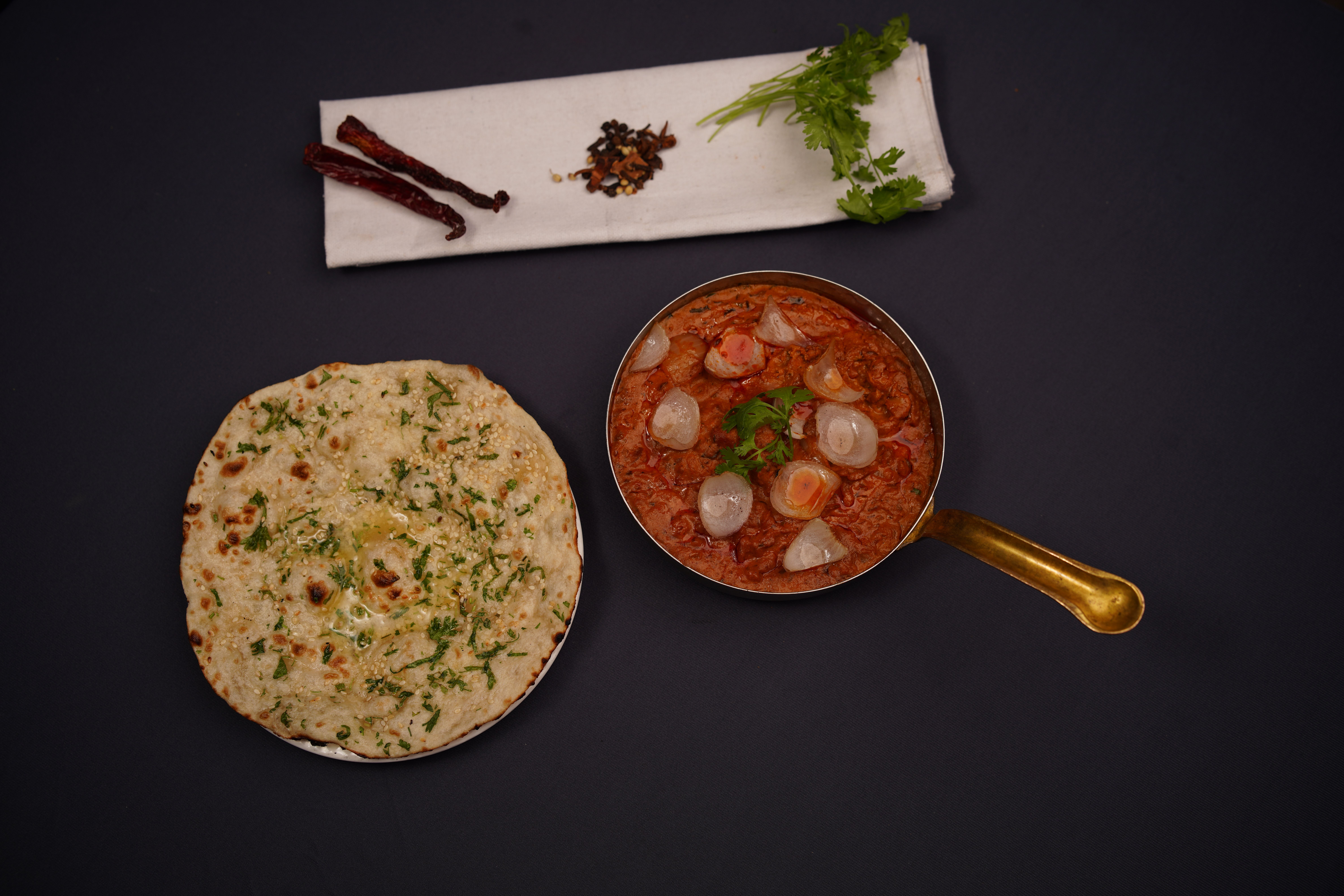
Discover the 2026 revolution in Indian cuisine: a vibrant shift towards micro-regional delicacies, sustainable plant-forward options, and smart kitchen technology. This deep dive compares the best gourmet Indian meal kits, online cooking classes, and specialty ingredient suppliers, empowering you to bring authentic, ethical Indian flavors directly to your home kitchen. Optimize your culinary journey with our expert guide to the next era of Indian dining.
Introduction to the Topic
For decades, the global perception of Indian cuisine often began and ended with a handful of beloved, yet broadly generalized, dishes: butter chicken, paneer tikka, naan. While these classics hold a special place in our hearts, the culinary landscape of India is as diverse and intricate as its geography, a tapestry woven with thousands of unique regional traditions, ingredients, and cooking methods. Fast forward to 2026, and a profound shift is underway. We are witnessing a 'micro-regional' renaissance, where discerning diners and home cooks are actively seeking out the hyper-specific, often centuries-old, flavors of India's myriad states, districts, and even individual villages.
This isn't just a nostalgic return to roots; it's a dynamic evolution fueled by a growing demand for authenticity, sustainability, and technological innovation. Consumers are increasingly conscious of where their food comes from, how it's produced, and its environmental footprint. Simultaneously, advancements in food tech, from AI-powered recipe personalization to sophisticated logistics for specialty ingredients, are making these previously inaccessible culinary experiences a reality for kitchens worldwide. onioncurry.com is here to guide you through this exciting new era, helping you navigate the best options to explore India's hidden culinary gems, sustainably and conveniently.
Backgrounds & Facts
The pivot towards micro-regional Indian cuisine is a confluence of several powerful trends. Historically, the vastness of India meant that each region developed its own distinct culinary identity, shaped by local produce, climate, cultural practices, and historical influences. For example, the seafood-rich Konkan coast birthed fiery Goan curries, while the arid plains of Rajasthan perfected hearty lentil and vegetable preparations like Dal Baati Churma. These nuances were often lost in the mainstream, generalized offerings found in many international Indian restaurants.
By 2026, a more informed and globally connected consumer base, amplified by social media and culinary travel, has sparked a hunger for this authenticity. Food enthusiasts are no longer content with generic 'Indian curry'; they crave the specific tang of a Tamilian Rasam, the smoky depth of a Kashmiri Rogan Josh, or the delicate sweetness of a Bengali Mishti Doi. This demand is further amplified by a global pivot towards plant-forward and sustainable eating. Many regional Indian cuisines are inherently vegetarian or vegan, utilizing pulses, vegetables, and grains in incredibly innovative and flavorful ways, making them perfect for the modern, health-conscious, and environmentally aware palate.
Technological advancements are the crucial enabler. AI algorithms are now capable of analyzing dietary preferences, ingredient availability, and even skill levels to suggest personalized regional recipes. Advanced logistics networks ensure that heirloom spices, specialty grains, and unique local produce can be sourced directly from their origins and delivered fresh. The rise of gourmet meal kit services specifically focusing on Indian regional food, coupled with interactive online cooking classes taught by local experts, has democratized access to these once-exclusive culinary traditions.
Expert Opinion / Analysis
We spoke to leading figures shaping this culinary revolution.
Chef Anjali Rao, founder of 'Rooted Flavors' restaurant group (known for its rotating regional menus): "What we're seeing is a profound respect for culinary heritage. Diners are tired of approximation; they want the real deal. My kitchens in London and New York now feature specific dishes from Coorg, from Chettinad, from Bundelkhand – not just 'South Indian' or 'North Indian'. This hyper-specificity allows us to support local farmers in India who cultivate unique ingredients, ensuring their traditions don't fade. It’s a win-win for authenticity and sustainability."
Dr. Rohan Mehta, CEO of 'SpiceRoute AI' (a personalized Indian recipe platform): "AI is not replacing chefs; it's empowering them and home cooks. Our platform, launched in 2025, uses machine learning to understand a user's taste profile, dietary restrictions, and even the contents of their fridge. It then generates authentic regional Indian recipes, complete with ingredient sourcing links and step-by-step video guides. Imagine discovering a perfect, authentic Kumaoni dish tailored to your vegan diet – that's the power of AI in democratizing complex cuisines."
Priya Sharma, Lead Ethicist at 'GreenGourmet India' (a sustainable food advocacy group): "The beauty of many micro-regional Indian foods is their inherent sustainability. They often rely on seasonal, locally grown ingredients, minimizing carbon footprints. Many traditional recipes are plant-based by nature, offering incredible protein and nutrient diversity without heavy reliance on resource-intensive animal agriculture. This movement is not just about taste; it's about mindful consumption and celebrating the incredible biodiversity of India's agricultural landscape."
💰 Best Options in Comparison (VERY IMPORTANT)
Ready to embark on your own micro-regional Indian culinary journey? Here are some of the top services and products making it easier than ever in 2026, catering to various needs and preferences.
- The Regional Spice Box: A premium subscription meal kit service delivering pre-portioned, ethically sourced ingredients and authentic recipes for two different regional Indian dishes each week. Focuses heavily on lesser-known vegetarian and vegan options.
- Veda Veggie Kits: Specializes in 100% plant-based, organic Indian meal kits with a strong emphasis on sustainability and zero-waste packaging. Offers both classic and innovative regional dishes with an Ayurvedic twist.
- Curry Craft AI: Not a meal kit, but an intelligent recipe generation and ingredient sourcing platform. Integrates with smart kitchen appliances and local grocery delivery services to provide personalized regional Indian recipes based on your preferences and pantry.
- Mastering Masalas Academy: An online learning platform featuring live, interactive cooking classes taught by regional Indian chefs. Offers multi-week courses focusing on specific states (e.g., 'The Flavors of Kerala,' 'Punjabi Dhaba Delights').
- Heirloom Harvest India: An e-commerce platform dedicated to sourcing and delivering rare, single-origin Indian spices, unique rice varieties, and specialty pulses directly from small-scale, sustainable farms across India. Perfect for the discerning home chef building their pantry.
To help you choose, here's a detailed comparison:
| Service/Product | Type | Key Features | Regional Focus | Sustainability Score (1-5) | Average Price/Month (USD) | Best For |
|---|---|---|---|---|---|---|
| The Regional Spice Box | Meal Kit Subscription | Pre-portioned ingredients, authentic recipes, rotating menu | Pan-India (focus on lesser-known veg/vegan) | 4 | $80 - $120 | Busy individuals, culinary explorers |
| Veda Veggie Kits | Vegan Meal Kit | 100% plant-based, organic, zero-waste packaging | North & South Indian (Ayurvedic emphasis) | 5 | $90 - $130 | Vegans, health-conscious, eco-friendly cooks |
| Curry Craft AI | AI Recipe Platform | Personalized recipes, smart appliance integration, ingredient sourcing | Extensive, hyper-personalized | 3 (depends on user's sourcing) | $10 - $25 (subscription) | Tech-savvy cooks, custom diet needs |
| Mastering Masalas Academy | Online Cooking Classes | Live interactive sessions, expert regional chefs, certificate courses | State-specific deep dives | 2 (focus on knowledge) | $50 - $200 (per course) | Serious learners, aspiring chefs |
| Heirloom Harvest India | Specialty Ingredient Supplier | Rare spices, grains, pulses; direct from sustainable farms | Origin-specific (e.g., Tellicherry pepper, Gobindobhog rice) | 5 | Varies (per item) | Gourmet cooks, advocates of ethical sourcing |
Outlook & Trends
The trajectory for micro-regional, sustainable, and tech-enabled Indian cuisine in 2026 and beyond is incredibly promising. We anticipate further integration of AI with smart kitchen appliances, allowing for fully automated, personalized Indian meal preparation from scratch. Imagine your smart oven suggesting a Konkani Fish Curry based on your recent activity, ordering the ingredients, and guiding you through the cooking process with augmented reality overlays.
Virtual culinary tourism will also gain traction, offering immersive experiences where users can 'visit' a village in Punjab, learn to make Sarson Ka Saag from a local matriarch via VR, and then have the unique ingredients shipped to their door. The focus on heirloom varieties of grains, fruits, and vegetables will intensify, driven by both culinary curiosity and a critical need for agricultural biodiversity in the face of climate change. Expect more restaurants to adopt 'zero-waste' Indian concepts, creatively utilizing every part of an ingredient, a practice deeply rooted in traditional Indian kitchens.
Furthermore, the global market for these specialized Indian products and services will expand significantly, making it easier for enthusiasts in any corner of the world to access the authentic tastes and techniques of India's diverse culinary heritage. This isn't just a food trend; it's a movement towards cultural preservation, environmental responsibility, and culinary discovery.
Conclusion
The year 2026 marks a pivotal moment for Indian cuisine, moving beyond familiar stereotypes to embrace its incredible regional depth, sustainable ethos, and technological potential. Whether you're a seasoned chef or an adventurous home cook, there has never been a better time to explore the rich tapestry of India's hidden flavors. From gourmet meal kits delivering authentic tastes to AI platforms personalizing your culinary journey, the options are abundant and exciting. By choosing to delve into micro-regional Indian cuisine, you're not just enjoying a delicious meal; you're participating in a global movement that celebrates culture, champions sustainability, and embraces the future of food. Dive in and discover your next favorite Indian dish – the possibilities are truly endless!